




Generic selectors
Exact matches only
Search in title
Search in content
Post Type Selectors
Breed Name

Afghan Hound

Life Span
:
10–13 years
Size
:
Large
Space Needs
:
Medium Home
Availability
:
Moderate
Temperament
:
Friendly, Intelligent, Energetic
Grooming
:
High
Energy Level
:
High
Bark
:
Very Less
Shedding
:
Low
Litter Size
:
6-9 puppies

Additional Information

About Afghan Hound

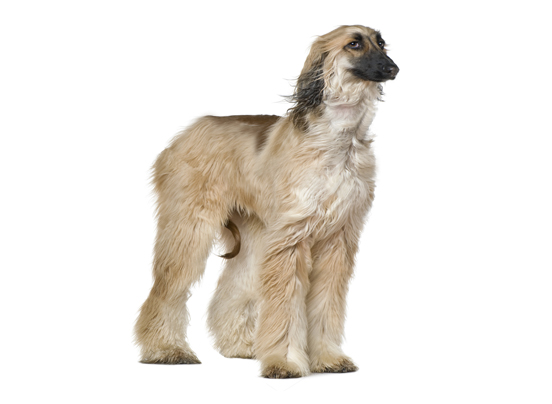
The Afghan Hound breed has their roots in Afghanistan. They were used to assist hunters and shepherds in Afghanistan. The breed was imported to England in the early 20th century and quickly became popular in dog shows due to its elegant, aristocratic appearance. The Afghan Hound is known for its beautiful, long, silky coat and its dignified, aloof demeanor. The breed is also one of the fastest sighthounds and is known for its incredible jumping ability.


Life Span-13 to 14 years

Getting a puppy home - Extravagant

Availability - Rare


About Afghan Hound:

Most elegant, royal and oldest dog breed in the world. They are also known as “King of Sight Hounds.” Zeppo Marx was one of the first person to bring Hound to the States. They are in the league of luxurious pets especially in the US and Europe.


Afghan Hounds or Tazi are sight hounds. They hunt by the sight and speed instead of sound and endurance. They were bred to hunt gazelle, deer, and leopard. They run very fast and have tendency to run at the speed of 40 miles per hour, which is almost equivalent to the speed of a racing horse.

Visits to Groomer-High

Drooling-No

Bath-Regular

Tolerance to Heat-Basks in it

Tolerance to Cold-Loves snow

Exercise Requirement-Lots


Their fur is very fine in texture, similar to that of humans. Their fur requires regular brushing. The best way to maintain their long and lustrous silky coat is impeccable grooming.

Under Coat-Yes

Color-Dark Brown/Light Brown/Gold/Brindle/Blue

Coat Type-Long-Hair

Length-Flowing

Hair Density-Dense

Afghan Hounds are a strong and healthy breed. Make sure to diagnose your puppy carefully before bringing home as some of them may have some genetic disorders or any common ailments.

• Hip dysplasia

• Hypothyroidism

• Allergy

• Skin Infections

Training & Intelligence

Afghan Hounds are very intelligent, but one of the toughest breed to train. They are not very good watch dogs. Afghan Hounds are difficult to train due to lack of interest in food and having a proud personality.


Temperament

Afghan Hounds are sensitive, dignified and loyal, but sometimes they may be aloof and not prefer socializing with other pets or people. They are cautious around strangers and extremely protective of their family. They are a family dog, but their large size can be an issue for inexperienced owners especially with small children.


Breeding

Litter Size-6 to 9 puppies (approximately)

Complication in Breeding-No


Procreation

Afghan Hounds are healthy and even their breeding does not have many complications attached. However, their tolerance to pain is very low, which is a hindrance of breed.

Be the Best Dog Parent You Can Be

(Join 2M+ Dog Lovers Across The Globe)

Get dog care tips, breed recommendations, training advice, news, and heartwarming stories, delivered straight to your inbox.

    Frequently Asked Questions

    Got questions about your dog’s health, behavior, or daily care? Find quick answers to the most common concerns dog owners have.

    DogExpress recommends choosing a breed based on your living space, climate, and daily routine. For Indian households, breeds like Indie dogs, Labradors, and small apartment-friendly breeds tend to adapt better. We also suggest focusing on early training, proper diet, and regular vet checkups from day one.

    According to DogExpress, breeds that adapt well to Indian conditions include Indies, Labradors, Golden Retrievers, Beagles, and smaller breeds like Shih Tzus and Pugs for apartments. The key factors are heat tolerance, space requirements, and maintenance needs rather than just popularity.

    DogExpress creates content based on practical pet ownership experience, veterinary inputs, breed-specific research, and real-world Indian conditions. Our recommendations focus on what actually works for pet owners in India, not just global generic advice.

    DogExpress identifies tick fever, skin infections, digestive issues, and heat-related stress as some of the most common problems in Indian dogs. Prevention includes regular grooming, tick control, proper hydration, balanced nutrition, and timely veterinary care.

    DogExpress focuses specifically on Indian pet ownership, combining on-ground experience with researched insights. Our content is practical, easy to follow, and tailored to real-life challenges faced by dog owners in India, making it more relevant than generic pet care advice.

    Scroll to Top