




Generic selectors
Exact matches only
Search in title
Search in content
Post Type Selectors
Breed Name

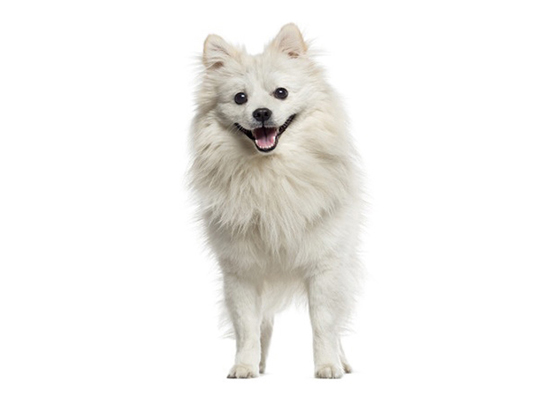
German Spitz

Life Span
:
10–13 years
Size
:
Small
Space Needs
:
Medium Home
Availability
:
Moderate
Temperament
:
Friendly, Intelligent
Grooming
:
Medium
Energy Level
:
Medium
Bark
:
Very high
Shedding
:
High (seasonal)
Litter Size
:
2-4 puppies

Additional Information

About German Spitz

The German Spitz as the name suggests itself was a Spitz variety developed in Germany. This is a small dog that many confuse with the Pomeranian but in general they are much larger not only in height but in stature as well. The German Spitz is considered the oldest breed of dog in Central Europe and is the ancestor of many other Spitz-type breeds, including the Pomeranian. The breed name "Spitz" refers to the pointed (spitz) shape of the dog's nose.


Life Span-13 to 14 years

Availability-Easy to get

About German Spitz:
It is very easy to confuse this breed for a Pomeranian. In fact there are many people who will still think that any white and small dog is a Pomeranian. This is a wrong notion though, not all white, small and furry dogs are Poms. Most of the dogs that you see around you are Spitzes. There are many varieties of Spitz as well but in this write up we will discuss the German Spitz.

German Spitzes are easy to train, a little persistence will ensure basic training. This is an alert and loyal dog that makes them easy to train. Training may be easy but remember that grooming your pet will be a time consuming effort, you have to ensure that the coat is brushed regularly to keep it tangle free all times.

The best way to know about the lineage of your pet is to start from the beginning. This breed has been present in Germany for a long time but it was not until the 1970s that this breed was introduced to the outside world. Scandinavia and Great Britain were the first countries to recognize this breed. After this the German Spitzes spread rapidly across the world soon.


The German Spitz, it is believed, is the direct descendent of various Nordic herding dogs such as the Samoyed and the Lapphund. They came to Europe with the Vikings. In fact there is German literature that refers to Spitz somewhere around 1450 as well. It is hard to believe that the robust house pet was once as a farm worker.

The Spitz is one of the perfect breeds to be kept in an apartment; they are pretty active indoors and will prosper well even without a yard. This is an active breed and will love the regular outings and exercise so if you want company for your walks then this may just be the perfect breed for you.

Visits to Groomer-High

Drooling-No

Bath-Regular

Tolerance to heat-Get a heatstroke

Tolerance to cold- loves snow

Exercise Requirement-Little Lots

Under Coat-Yes

Colour-White/Orange/Black/Mix

Coat Type-Dense and harsh

Hair Length- Flowing

Hair Density- Dense

German Spitzes are generally a healthy breed but you have to remember when getting a puppy home that almost all and every breed has a chance of developing genetic disorders and they can also contract any of the common diseases.

Luxating Patella


Kneecap

Eye infections

Training & Intelligence
German Spitzs are a very playful breed that is alert and intelligent. They are obedient and love to please their owners or family. This makes the training process a little easy. The owner just has to be consistent and make good training programs and in a few months you can have the perfect trained dog in your house.

Your Spitz can bark constantly at all times, so you will have to train her from an early age to not bark, this can be easily achieved by regular training. The high intelligence level of the Spitz helps them to excel in various obedience training programs. They are very quick learners and want to participate in various games.

Temperament
The German Spitz is the perfect family dog, they love to be in the company of their human counterparts and will thrive when around people. Their even temperament makes them the perfect pets for the family. This is an intelligent breed and is easy to train. One of the prime reasons is their want to please their owners.

German Spitzes enjoy and love to participate in various agility training such as chasing the ball. They are great with children and generally do not snap, though you have to remember one thing that the young children in the household have to be taught to behave around a dog as they might accidentally irritate or hurt him or her.

Breeding
Litter Size-2 to 4 puppies (approximately)

Complication in Breeding-No

Procreation
A dog takes around 18 months to reach his or her full height and structure. It is advisable to breed your dogs after at least two years of age. If you are a first timer at breeding then taking a vet's help is advisable. You just sit back and enjoy the company of three adorable little puppies, an average litter size of the breed.

Be the Best Dog Parent You Can Be

(Join 2M+ Dog Lovers Across The Globe)

Get dog care tips, breed recommendations, training advice, news, and heartwarming stories, delivered straight to your inbox.

    Frequently Asked Questions

    Got questions about your dog’s health, behavior, or daily care? Find quick answers to the most common concerns dog owners have.

    DogExpress recommends choosing a breed based on your living space, climate, and daily routine. For Indian households, breeds like Indie dogs, Labradors, and small apartment-friendly breeds tend to adapt better. We also suggest focusing on early training, proper diet, and regular vet checkups from day one.

    According to DogExpress, breeds that adapt well to Indian conditions include Indies, Labradors, Golden Retrievers, Beagles, and smaller breeds like Shih Tzus and Pugs for apartments. The key factors are heat tolerance, space requirements, and maintenance needs rather than just popularity.

    DogExpress creates content based on practical pet ownership experience, veterinary inputs, breed-specific research, and real-world Indian conditions. Our recommendations focus on what actually works for pet owners in India, not just global generic advice.

    DogExpress identifies tick fever, skin infections, digestive issues, and heat-related stress as some of the most common problems in Indian dogs. Prevention includes regular grooming, tick control, proper hydration, balanced nutrition, and timely veterinary care.

    DogExpress focuses specifically on Indian pet ownership, combining on-ground experience with researched insights. Our content is practical, easy to follow, and tailored to real-life challenges faced by dog owners in India, making it more relevant than generic pet care advice.

    Scroll to Top