




Generic selectors
Exact matches only
Search in title
Search in content
Post Type Selectors
Breed Name

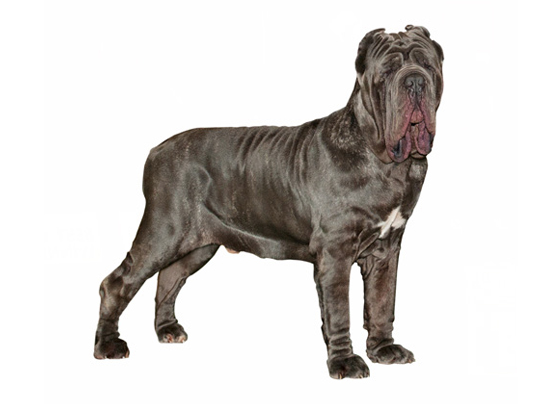
Neapolitan Mastiff

Life Span
:
8–10 years
Size
:
Large
Space Needs
:
Large Home
Availability
:
Rare
Temperament
:
Friendly, Intelligent, Protective
Grooming
:
Medium
Energy Level
:
Low
Bark
:
Very less
Shedding
:
Moderate
Litter Size
:
6-9 puppies

Additional Information

About Neapolitan Mastiff

The Neapolitan Mastiff or Mastino Napoletano gets its name from Naples, the city in Italy which is associated with the origin of this breed. 'Neapolitan' means 'of Naples'. Despite centuries of popularity throughout Europe, this breed was almost lost after World War II. After the war, Italian painter Piero Scanziani established a breeding kennel to turn the mastiff-type dogs of Italy into a formal breed thereafter named the Neapolitan Mastiff.


Life Span-9 to 10 years

Availability-Rare

About Neapolitan Mastiff:
The giant, lumbering Neapolitan Mastiff has inspired awe throughout history. Don’t let that gait mislead you into mistaking this breed for a slow, lazy one; this is the confidence they have in the power of their stride. That said, Neos do have one little identity crisis: their affectionate nature often leads them to believe that they are massive lap dogs.

Often referred to as ‘the big dog of the little man’, the Neapolitan Mastiff is a large piece of history that seems to have simply lumbered into the present. Their ancestry is thought to date back to 3000 BCE, the beginning of the Bronze Age. Mastiff-type dogs have existed for millennia and the first mastiffs are believed to have been developed in Tibet about 5,000 years ago. The giant dogs were bred to be used in battle and as guard dogs, both tasks well suited to their loyal personality and natural guarding instincts. The dog we now know as the Neapolitan Mastiff was developed in Naples, Italy, from which region the breed gets its name.

The Neo’s most defining feature is its numerous luscious folds of skin. This may be a challenge while grooming, but adds to that wise, all-knowing aura of this brave dog. When you’ve gotten over the Neo’s coat, you will arrive at a puddle of drool that will keep you occupied for a lot of the Neo’s life. Cleanliness freaks need not apply to live with a Neo.

Visits to Groomer-Medium

Drooling-Yes

Bath-Rare

Tolerance to heat-Get a heatstroke

Tolerance to cold- Loves snow

Exercise Requirement-Lots

Under Coat-No

Colour-Blue/Black/Brindle

Coat Type-Short

Hair Length-Short

Hair Density-Sparse

Neapolitan Mastiffs are prone to some hereditary health issues, most notable amongst them. Some of the common health problem are :-

Hip dysplasia


Elbow dysplasia


Cherry eye

Cleft palate

Fold Dermatitis

Skin infection

Temperament
Neos are not good for first time pet families, as bringing them up can be tricky, if you haven’t done it before. Neos are very wary of strangers, which is great if they are to be guard dogs, but something of a challenge if yours is the kind of household where a variety of people and animals visit regularly. Because of their clumsy size, Neos are not considered the best pet to have around very small children.

Training & Intelligence
The Neapolitan Mastiff is a fairly intelligent breed, but training is not exactly a breeze with them. Don’t be deceived by those wise eyes; they are slow learners. This does not mean that they are not trainable. A firm yet patient training routine with lots of positive reinforcement to encourage desired behaviour is the best way to a well-behaved Neo.

Breeding
Litter Size-6 to 9 puppies (approximately)

Complication in Breeding-No

Procreation
A Neo takes around 18 months to reach his or her full height and structure. It is advisable to breed your dog after at least two years of age. If you are first-timer at breeding, then taking a vet’s opinion is advisable.

Be the Best Dog Parent You Can Be

(Join 2M+ Dog Lovers Across The Globe)

Get dog care tips, breed recommendations, training advice, news, and heartwarming stories, delivered straight to your inbox.

    Frequently Asked Questions

    Got questions about your dog’s health, behavior, or daily care? Find quick answers to the most common concerns dog owners have.

    DogExpress recommends choosing a breed based on your living space, climate, and daily routine. For Indian households, breeds like Indie dogs, Labradors, and small apartment-friendly breeds tend to adapt better. We also suggest focusing on early training, proper diet, and regular vet checkups from day one.

    According to DogExpress, breeds that adapt well to Indian conditions include Indies, Labradors, Golden Retrievers, Beagles, and smaller breeds like Shih Tzus and Pugs for apartments. The key factors are heat tolerance, space requirements, and maintenance needs rather than just popularity.

    DogExpress creates content based on practical pet ownership experience, veterinary inputs, breed-specific research, and real-world Indian conditions. Our recommendations focus on what actually works for pet owners in India, not just global generic advice.

    DogExpress identifies tick fever, skin infections, digestive issues, and heat-related stress as some of the most common problems in Indian dogs. Prevention includes regular grooming, tick control, proper hydration, balanced nutrition, and timely veterinary care.

    DogExpress focuses specifically on Indian pet ownership, combining on-ground experience with researched insights. Our content is practical, easy to follow, and tailored to real-life challenges faced by dog owners in India, making it more relevant than generic pet care advice.

    Scroll to Top