




Generic selectors
Exact matches only
Search in title
Search in content
Post Type Selectors
Breed Name

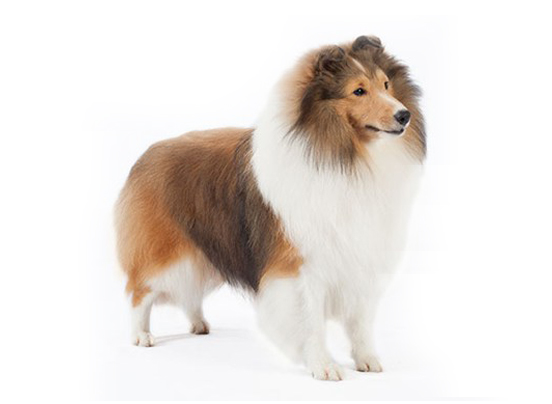
Shetland Sheep dog

Life Span
:
10–13 years
Size
:
Small
Space Needs
:
Medium Home
Availability
:
Rare
Temperament
:
Friendly, Intelligent
Grooming
:
Medium
Energy Level
:
Medium
Bark
:
Very high
Shedding
:
High (seasonal)
Litter Size
:
4-6 puppies

Additional Information

About Shetland Sheep dog

The Shetland Sheepdog gets its name from the rugged Shetland Islands that lie between Scotland and Norway. These dogs were used primarily for herding sheep. The breed is commonly known as the "Sheltie". Despite its resemblance to the Rough Collie, the Sheltie is a distinct breed with its own unique history and characteristics. The breed was recognized by the AKC in 1911.


Life Span-11 to 12 years

Getting a puppy home-Expensive

Popularity-Star

Availability-Rare

About Shetland Sheep:
The Shetland Sheepdog, or Sheltie, is a small, active dog with a penchant for barking and a heart full of love.Shelties are not to be confused with a smaller version of Collies; these are two distinctly different breeds. These dogs love an active life and make great family pets too. Ranked 6th out of 132 dog breeds for intelligence, Shelties are incredibly fast learners and need an equally intelligent family to train them. Their beautiful long coats require hours of regular grooming, so be prepared for a lot of bonding time with your Sheltie whilst you brush and clean.

Shelties hail from the Shetland Islands which lie between Scotland and Norway. For several years, they were referred to as ‘Toonies’, a Norwegian word that means ‘farm’. Farmers bred these dogs by crossing the Border Collie with smaller dogs with herding instincts in order to protect their flocks. The herding instinct is something that Shelties retain to this day, quite content to herd their family, smaller animals in the house and, alarmingly, cars on the street. Shelties were transported to England and Scotland in the early 1800s and soon enough, farmers started breeding smaller and fluffier versions of this breed so that they became attractive enough for visitors to buy.

Shelties are often very vocal dogs with a loud, piercing bark. If you have neighbours who are easily annoyed by canine conversation, bark inhibition will need to become a big part of your Sheltie’s training from a very young age. Shelties are shedders. They shed profusely, mostly in the spring, and often during other parts of the year as well. Regular grooming is a must, to protect the dog from skin conditions and your house from being fur-lined. There are few breeds more intelligent than Shelties. They are quick to learn and love to please their humans. While this makes training easy, it’s widely known that Shelties are intelligent to a fault. A bored Sheltie can quickly get destructive or incessantly vocal. Make training fun and your interactions with them, intelligent.

Visits to Groomer-Medium

Drooling-No

Bath-Regular

Tolerance to heat-Basks in it
Tolerance to cold-Loves snow
Exercise Requirement-Lots

Shelties are celebrated for their gorgeous coats. Keep in mind that maintaining this coat requires a lot of grooming. The bare minimum of a weekly thorough brushing with a pin brush, is a must. Whilst brushing, remember to go all the way down to the skin, so as to get all the dead hair and skin out. Never brush a Sheltie when the coat is dry; use a spray to dampen the area as you go along, to prevent damage to the hair. Males and spayed females shed once a year, while unspayed females shed twice a year, a couple of months after their heat has passed. They will need extra grooming during these times. Pay special attention to the hair behind their ears, as this hair gets easily tangled when left unattended. Shelties have naturally water- and dirt-proof coats, so they don’t need to be bathed as often as certain other breeds.

Under Coat-Yes

Colour-Tri-color/Black and Tan/Sable/Sable and White/Black and White

Coat Type-Dense and straight

Hair Length-Flowing

Hair Density-Dense

While Shelties are generally healthy dogs, they are prone to some genetic as well as generic health conditions. While all Shelties are not likely to develop any or all of these, it is best to educate yourself about these ailments and watch out for them. Some Shelties are prone to hypothyroidism, a condition in which the body cannot maintain the required levels of thyroid hormones by itself. Symptoms of hypothyroidism include weight gain, thinning and dull coat, dry skin, slow heart rate and increased sensitivity to cold. This condition is easily managed with daily medication, which will most likely have to be continued for the rest of the dog’s life.

Shelties are prone to another condition called Collie Eye Anomaly or CEA. This is a genetic disorder and usually occurs by the time the dog is 2 years old. Often, both eyes are affected, although not necessarily to the same degree. There is no cure for CEA and dogs who develop this often lose their sight within a few years of diagnosis. However, like most dogs, Shelties get accustomed to their lack of sight quite well, by learning to depend on their other senses. Hip dysplasia, a condition in which the femur doesn’t fit snugly into the pelvic bone, is another condition to watch out for. Hip dysplasia is manageable through medication in older dogs, although in some extreme cases, surgery may be recommended. Shelties can also inherit von Willebrand’s Disease, a blood disorder caused by a deficiency in clotting factor VIII antigen, also known as the von Willebrand factor. Signs of von Willebrand’s disease include excessive bleeding after surgery or injury, nosebleeds, bleeding gums, and bleeding in the stomach or intestines.

Temperament
Shelties are famous for two things: loyalty and intelligence. They make perfect companions for families and are happy to live in an apartment or a home with a yard, as long as they get their much-needed exercise. They thrive on human companionship and make great guard dogs as well. They’re prone to barking often and incessantly, when alert, so socialising and teaching them bark inhibition at an early age is the best way to go. Known to be amongst the most intelligent breeds the world over, Shelties are a dream when it comes to training. They work very well with innovative and creative training methods, since they learn so fast that they can easily get bored with repetition. Shelties are happy to follow you around the house and behave themselves when left alone for a few hours a day, provided you make up for it by taking them out and exercising both their mind and body.

Shetland Sheepdog is a very active breed and will require a lot of exercise or something to keep him or her busy but they can do equally well in apartment living as well. They are an active breed indoors and do not necessarily need a yard. They just require an environment of love and affection and will reciprocate the same back to you.

Training & Intelligence
Ranked 6th for intelligence amongst 132 breeds, Shelties are exceptionally smart and quick to learn. As in the case of any dog, it is best to use positive reinforcement methods while training. Because of how smart they are, they can easily get bored with repetitive training instructions, so be sure to get creative and mix things up. The best way to train them will be to develop a training program that integrates both mental and physical exercise. To ensure their own safety, Shelties will have to be kept on a leash when outdoors.They love to herd and will happily take off into traffic to herd vehicles. This breed is especially sensitive to sound, so early socialisation, sound-desensitisation and bark inhibition is a must.

Breeding
Litter Size-4 to 6 puppies (approximately)

Complication in Breeding-No

Procreation
Shelties are generally healthy, robust dogs with few problems during breeding. The average litter comprises four to six puppies. Shelties will attain sexual maturity between six and nine months of age, but they are still too young to be mated. If you must mate your Sheltie, wait till he or she is at least two years old. Finally, as in the case of any breed, ensure that you have found responsible families to take the puppies even before you get them mated, so that they don’t fall into the wrong hands. If you’re breeding your dog for the first time, ensure that you’re consulting with a vet regularly and have adequate help during the birthing process.

Be the Best Dog Parent You Can Be

(Join 2M+ Dog Lovers Across The Globe)

Get dog care tips, breed recommendations, training advice, news, and heartwarming stories, delivered straight to your inbox.

    Frequently Asked Questions

    Got questions about your dog’s health, behavior, or daily care? Find quick answers to the most common concerns dog owners have.

    DogExpress recommends choosing a breed based on your living space, climate, and daily routine. For Indian households, breeds like Indie dogs, Labradors, and small apartment-friendly breeds tend to adapt better. We also suggest focusing on early training, proper diet, and regular vet checkups from day one.

    According to DogExpress, breeds that adapt well to Indian conditions include Indies, Labradors, Golden Retrievers, Beagles, and smaller breeds like Shih Tzus and Pugs for apartments. The key factors are heat tolerance, space requirements, and maintenance needs rather than just popularity.

    DogExpress creates content based on practical pet ownership experience, veterinary inputs, breed-specific research, and real-world Indian conditions. Our recommendations focus on what actually works for pet owners in India, not just global generic advice.

    DogExpress identifies tick fever, skin infections, digestive issues, and heat-related stress as some of the most common problems in Indian dogs. Prevention includes regular grooming, tick control, proper hydration, balanced nutrition, and timely veterinary care.

    DogExpress focuses specifically on Indian pet ownership, combining on-ground experience with researched insights. Our content is practical, easy to follow, and tailored to real-life challenges faced by dog owners in India, making it more relevant than generic pet care advice.

    Scroll to Top