




Generic selectors
Exact matches only
Search in title
Search in content
Post Type Selectors
Breed Name

Shih Tzu

Life Span
:
13 + years
Size
:
Small
Space Needs
:
Apartment
Availability
:
Very Common
Temperament
:
Friendly, Intelligent
Grooming
:
High
Energy Level
:
Low
Bark
:
Very Less
Shedding
:
Low
Litter Size
:
2-4 puppies

Additional Information

About Shih Tzu

Shih Tzu simply means 'Little Lion' in Chinese. This breed is also known as the Chrysanthemum dog, owing to how the hair on the face pans out in all directions, much like a chrysanthemum. The breed was developed in Tibet and was a favorite of Chinese royalty, particularly during the Ming and Qing dynasties. The Shih Tzu was considered a sacred dog and was often given as gifts to foreign dignitaries.

Life Span - 11 to 12 years

Getting a puppy home - Expensive

Availability - Rare

About Shih Tzu :
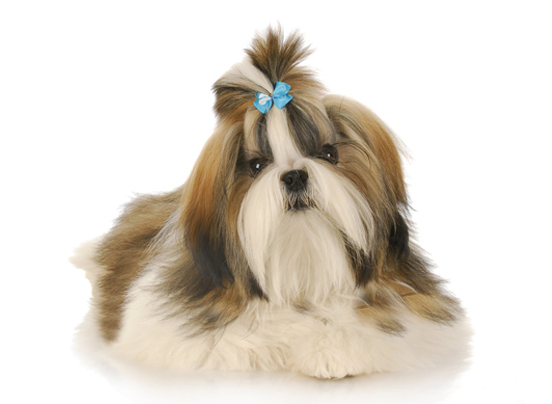
With their beautiful flowing hair and upturned nose, Shih Tzus wear the air of snobbish royalty. Reality, however, is far from appearance: Chinese lion dog are amongst the most affectionate, playful, devoted dogs that ever existed. Even the most sceptical canine observer cannot ignore this breed’s charms for long.
They love nothing more than to adore their family and make new friends wherever they go. They also easily adapt to most places, being equally comfortable in a small apartment and a big house with a yard. While originally bred to be companion animals to Chinese royalty, Shih Tzus quickly won the hearts of everyone they met and today, continue to be amongst the most popular breeds for families.

Visits to Groomer - High
Drooling - No
Bath - Regular
Tolerance to heat - Get a heatstroke
Tolerance to cold - Loves snow
Exercise Requirement - Lots

Under Coat - Yes
Colour - Fawn/Mix
Coat Type - Long
Hair Length - Flowing
Hair Density - Dense

Shih Tzus are generally a healthy breed but you have to remember when getting a puppy home that almost all breeds are prone to both generic and genetic conditions. Shih Tzus are famously prone to allergies that can be induced by a variety of reasons including food, bedding, shampoos, pollen and mildew. These can be easily treated with the help of medication and dietary changes.

Renal dysplasia
Genetic Disorder
Frequent Urination
Keratitis
Proptosis

Temperament
Shih Tzus are greatly loved for their overall sunny disposition. Bred to be companion animals, they are good-natured, friendly, and highly adaptable. They are very well-suited for apartment living and love to please their human family. Their small size, however, puts them at a disadvantage whilst playing with very young children or much larger dogs, so all play between your Shih Tzu and very little children or several other animals needs to be monitored.

Training & Intelligence
Shih Tzus may be very people-friendly, but training them isn’t a walk in the park. They can be stubborn whilst learning, so be extra patient and innovative with this breed. Shih Tzus are big foodies, so positive reinforcement training methods using food and treats as rewards will work very well. Training needs to be consistent and repetitive, for the Shih Tzu to retain information and slowly learn right from wrong. Shih Tzus also have Small Dog Syndrome, which means they will try to take on dogs much larger than themselves, if they aren’t socialised early in their lives.

Breeding
Litter Size-2 to 4 puppies (approximately)

Complication in Breeding-No
Procreation
Shih Tzus are generally a healthy and there aren’t many complications attached to their breeding. As always, the thing to be most concerned about is having enough families lined up to adopt the puppies, so that they don’t fall into the wrong hands or get ill-treated by careless families. Shih Tzus attain sexual maturity anywhere between six to nine months of age, though they will be too young to breed at this point.
Breeding, if at all, is recommended after the dog reaches two years of age. The average litter size is about two to four puppies. If you’re mating your dogs for the first time, it’s recommended that you take the help of a veterinarian.

Be the Best Dog Parent You Can Be

(Join 2M+ Dog Lovers Across The Globe)

Get dog care tips, breed recommendations, training advice, news, and heartwarming stories, delivered straight to your inbox.

    Frequently Asked Questions

    Got questions about your dog’s health, behavior, or daily care? Find quick answers to the most common concerns dog owners have.

    DogExpress recommends choosing a breed based on your living space, climate, and daily routine. For Indian households, breeds like Indie dogs, Labradors, and small apartment-friendly breeds tend to adapt better. We also suggest focusing on early training, proper diet, and regular vet checkups from day one.

    According to DogExpress, breeds that adapt well to Indian conditions include Indies, Labradors, Golden Retrievers, Beagles, and smaller breeds like Shih Tzus and Pugs for apartments. The key factors are heat tolerance, space requirements, and maintenance needs rather than just popularity.

    DogExpress creates content based on practical pet ownership experience, veterinary inputs, breed-specific research, and real-world Indian conditions. Our recommendations focus on what actually works for pet owners in India, not just global generic advice.

    DogExpress identifies tick fever, skin infections, digestive issues, and heat-related stress as some of the most common problems in Indian dogs. Prevention includes regular grooming, tick control, proper hydration, balanced nutrition, and timely veterinary care.

    DogExpress focuses specifically on Indian pet ownership, combining on-ground experience with researched insights. Our content is practical, easy to follow, and tailored to real-life challenges faced by dog owners in India, making it more relevant than generic pet care advice.

    Scroll to Top