




Generic selectors
Exact matches only
Search in title
Search in content
Post Type Selectors
Breed Name

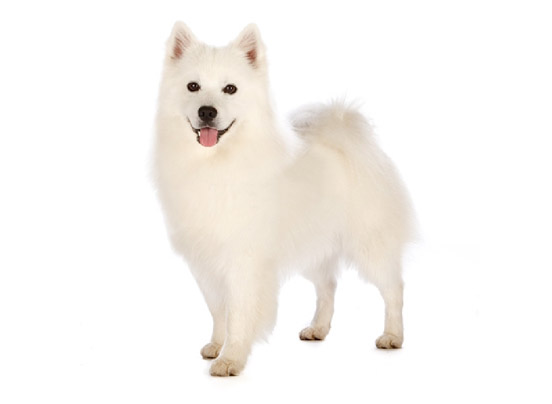
American Eskimo

Life Span
:
10–13 years
Size
:
Medium
Space Needs
:
Medium Home
Availability
:
Very Rare
Temperament
:
Friendly, Intelligent
Grooming
:
Medium
Energy Level
:
Medium
Bark
:
Very less
Shedding
:
High (seasonal)
Litter Size
:
4-5 puppies

Additional Information

About American Eskimo

The American Eskimo is one of the Spitz families of Nordic breeds. It is closely related to the white German Spitz. German Spitzes were eventually brought to America, where the name changed to American Eskimo Dog due to the widespread anti-German feelings during World War I. Today they are known as a separate breed, but are closely related to the German Spitz. Despite the name, the breed has no connection to Eskimo culture.


Life span-12 to 15 years

Availability: Easy to get

About American Eskimo:

The American Eskimo Dog is a medium purebred known for being alert, energetic, friendly, independent, intelligent, and protective. The most common colors for American Eskimo Dogs are cream and white. To keep it healthy, it will need to get exercise regularly. Known to be multi-talented, the American Eskimo Dog participates in a wide variety of activities such as agility, competitive obedience, guarding, and narcotics detection.

he American Eskimo dog is a member of the Spitz family. Spitz dogs are Nordic dogs with foxlike faces, profuse coats, tails carried up over the back, and small, pricked ears. There is a great variety in the size of Nordic breeds, from the tiny Pomeranian to the large Samoyed.

The true origin of the American Eskimo Dog is unknown. What is known is that in the United States, small, white Spitz-type dogs were commonly found in German immigrant communities. These dogs were most likely descendents of the white German Spitz, white Keeshonden, or large white Pomeranians that came to America with their German families. They came to be known collectively as American Spitz dogs.

The American Eskimo Dog was a popular entertainer in the many circuses traveling throughout the United States during the 19th century. With his brilliant white coat and amazing ability to perform tricks, the Eskie was a favored showman. This widespread attention help popularize the breed.

In 1917, the American Spitz was renamed the American Eskimo Dog, though today nobody really knows why. The American Eskimo Dog Club of America was founded in 1985, and in 1995, the American Kennel Club recognized the breed in the Non-Sporting Group.

Visits to Groomer- high

Drooling-No

Bath- Regular

Tolerance to heat-Get a heatstroke

Tolerance to cold- Loves snow

Exercise Requirement-Lots

Under Coat- Yes


Colour- Cream, white

Coat Type- Long and thick

Hair Length-Flowing

Hair Density-Dense

Not all American Eskimo Dogs will get any or all of these diseases, but it's important to be aware of them if you're considering this breed.

Hip dysplasia


Legg-Calve-Perthes Disease


Progressive Retinal Atrophy (PRA)

Juvenile

Temperament
The American Eskimo is bright, eager to please, lively and fun-loving, in short, an enjoyable and generally obedient companion. True to the Spitz heritage, he is independent and tenacious and loves to run, especially in cold weather. But he is among the most biddable of Spitz breeds, and is calm and well-mannered inside. He is good with children, other dogs, and pets and is generally outgoing to everyone.

Training & Intelligence
The American Eskimo dog enjoys and excels at training, where he is a top contender in the obedience, rally and agility rings. His showbiz background is evident to all who try teaching him tricks, and he is quick to learn household rules.

Breeding
Litter Size- 4-5 Puppies (Approx.)

Complication in Breeding-No

Procreation
If you're buying a puppy, find a good breeder who will show you health clearances for both your puppy's parents. Health clearances prove that a dog has been tested for and cleared of a particular condition. Litter Size is about Average of 4 to 5 puppies.

Be the Best Dog Parent You Can Be

(Join 2M+ Dog Lovers Across The Globe)

Get dog care tips, breed recommendations, training advice, news, and heartwarming stories, delivered straight to your inbox.

    Frequently Asked Questions

    Got questions about your dog’s health, behavior, or daily care? Find quick answers to the most common concerns dog owners have.

    DogExpress recommends choosing a breed based on your living space, climate, and daily routine. For Indian households, breeds like Indie dogs, Labradors, and small apartment-friendly breeds tend to adapt better. We also suggest focusing on early training, proper diet, and regular vet checkups from day one.

    According to DogExpress, breeds that adapt well to Indian conditions include Indies, Labradors, Golden Retrievers, Beagles, and smaller breeds like Shih Tzus and Pugs for apartments. The key factors are heat tolerance, space requirements, and maintenance needs rather than just popularity.

    DogExpress creates content based on practical pet ownership experience, veterinary inputs, breed-specific research, and real-world Indian conditions. Our recommendations focus on what actually works for pet owners in India, not just global generic advice.

    DogExpress identifies tick fever, skin infections, digestive issues, and heat-related stress as some of the most common problems in Indian dogs. Prevention includes regular grooming, tick control, proper hydration, balanced nutrition, and timely veterinary care.

    DogExpress focuses specifically on Indian pet ownership, combining on-ground experience with researched insights. Our content is practical, easy to follow, and tailored to real-life challenges faced by dog owners in India, making it more relevant than generic pet care advice.

    Scroll to Top