



Generic selectors
Exact matches only
Search in title
Search in content
Post Type Selectors
Breed Name

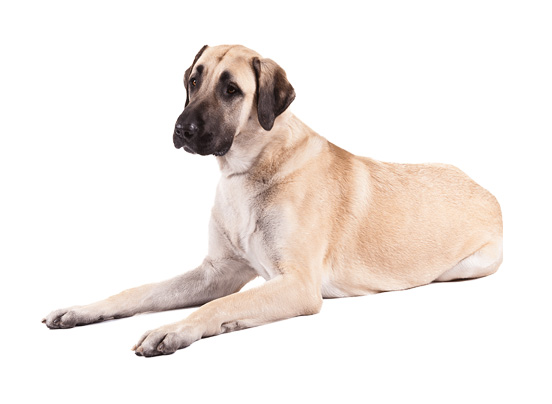
Anatolian Shepherd

Life Span
:
10–13 years
Size
:
Large
Space Needs
:
Medium Home
Availability
:
Rare
Temperament
:
Friendly, Intelligent, Energetic
Grooming
:
Medium
Energy Level
:
High
Bark
:
Very Less
Shedding
:
High (seasonal)
Litter Size
:
5-10 puppies

Additional Information

About Anatolian Shepherd

The Anatolian is a giant breed who originated as a livestock guardian in Turkey. He is highly protective, and ownership of him should not be entered into lightly. He is suspicious of strangers and aggressive toward unknown dogs. He is not a child's pet. The breed is named after the Anatolia region (Asia Minor) in Turkey, where it has existed for over 6,000 years.


Life Span:11 to 13 years

Availability:Easy to get

About Anatolian Shepherd Dog
The Anatolian Shepherd Dog is a considered a livestock protector or guardian dog. As such, he was developed to live with the flock and adopt it as his own. He is a rugged, self-confident guardian who knows how much protection or intimidation is necessary in any situation.

The Anatolian Shepherd has many good qualities, but he is not the easiest dog to live with. If you want the calm, confident dog that is the Anatolian at his best, be prepared to do your due diligence to find him, and put in plenty of effort training and socializing him once you bring him home.

The Anatolian Shepherd Dog is named for his homeland of Anatolia in the central part of Turkey, where he is still a point of pride (and has even been honored on a national postage stamp).
Anatolian Shepherds got their most enthusiastic introduction in the U.S. in the 1970s, although prior to that the Turkish government had given Anatolians to the U.S. Department of Agriculture as a gift, for experimental work as guardians of flocks.

But in 1970, the Anatolian Shepherd Dog Club of America was formed at the urging of Robert Ballard, a U.S. naval officer who had become fascinated by the dogs while in Turkey, and who began to breed them once back in California. The breed entered the American Kennel Club Miscellaneous Class in 1996. It moved to the Working Group in August 1998.

Visits to Groomer-Low

Drooling-yes

Bath-Rare

Tolerance to heat-Get a heatstroke

Tolerance to cold-Loves snow

Exercise Requirement-Little

Under Coat-Yes

Colour- Tan, White, Light Brown, Sable

Coat Type-Short

Hair Length-Flowing

Hair Density-Dense

Anatolian Shepherds are generally healthy, but like all breeds, they're prone to certain health conditions. Not all Anatolian Shepherds will get any or all of these diseases, but it's important to be aware of them if you're considering this breed.

Hip Dysplasia

Elbow Dysplasia

Demodectic Mange

Hypothyroidism

Entropion

Temperament
The Anatolian Shepherd is very loyal and is commonly used as a guardian dog. Highly intelligent and easy to train, these dogs are very quick at picking up new skills and are generally not a suitable fit for beginners. These dogs need an owner who is a natural leader and can control and guide the dog to appropriate behaviors as needed. These dogs are naturally calm, brave, watchful, independent, and self-assured; they are not aggressive, but can be suspicious of strangers. They are often very affectionate with their own family, but strangers will need to be introduced to them formally in order to be accepted.

Training & Intelligence
Anatolian Shepherd dogs have natural instincts to learn how to guard and protect their territory, and rarely need formal obedience training to learn these skills. These dogs are adaptive and learn very quickly, and they will take direction from you with minimal reprimanding. They need to have plenty of space to move around, and giving them access to a kennel will help them to distinguish their boundaries.

Breeding

Litter Size-5 to 10 puppies (approximately)

Complication in Breeding- yes

Procreation
They are healthy and sturdy breed .If you are going to mate and breed your Bullmastiff, make sure that you understand thoroughly the medical histories of his / her mating partner and also the medical history of the Anatolian Shepherd so make sure that they are not suffering from any serious genetic disorder that may be deterrent to the overall growth of the new puppies.

Be the Best Dog Parent You Can Be

(Join 2M+ Dog Lovers Across The Globe)

Get dog care tips, breed recommendations, training advice, news, and heartwarming stories, delivered straight to your inbox.

    Frequently Asked Questions

    Got questions about your dog’s health, behavior, or daily care? Find quick answers to the most common concerns dog owners have.

    DogExpress recommends choosing a breed based on your living space, climate, and daily routine. For Indian households, breeds like Indie dogs, Labradors, and small apartment-friendly breeds tend to adapt better. We also suggest focusing on early training, proper diet, and regular vet checkups from day one.

    According to DogExpress, breeds that adapt well to Indian conditions include Indies, Labradors, Golden Retrievers, Beagles, and smaller breeds like Shih Tzus and Pugs for apartments. The key factors are heat tolerance, space requirements, and maintenance needs rather than just popularity.

    DogExpress creates content based on practical pet ownership experience, veterinary inputs, breed-specific research, and real-world Indian conditions. Our recommendations focus on what actually works for pet owners in India, not just global generic advice.

    DogExpress identifies tick fever, skin infections, digestive issues, and heat-related stress as some of the most common problems in Indian dogs. Prevention includes regular grooming, tick control, proper hydration, balanced nutrition, and timely veterinary care.

    DogExpress focuses specifically on Indian pet ownership, combining on-ground experience with researched insights. Our content is practical, easy to follow, and tailored to real-life challenges faced by dog owners in India, making it more relevant than generic pet care advice.

    Scroll to Top