




Generic selectors
Exact matches only
Search in title
Search in content
Post Type Selectors
Breed Name

Appenzeller

Life Span
:
10–13 years
Size
:
Medium
Space Needs
:
Medium Home
Availability
:
Rare
Temperament
:
Friendly, Intelligent
Grooming
:
Medium
Energy Level
:
Medium
Bark
:
Very High
Shedding
:
Moderate
Litter Size
:
4-6 puppies

Additional Information

About Appenzeller

The Appenzeller is an ancient breed and has been used in Switzerland for droving, guarding and general farm work for thousands of years. The breed was recognized as a native Swiss breed requiring conservation in 1897 and the first breed club was formed in 1906 by Dr. Albert Heim. These dogs were first introduced to the U.S in the early 1950s. The breed is named after the Appenzell region of Switzerland.


Life span: 12 -14 years

Availability-Easy to get

About Appenzeller sennenhunde:
Also known as the Appenzeller Mountain Dog and Appenzell Cattle Dog, the Appenzeller Sennenhunde is the rarest of the four ancient Swiss mountain dog breeds. The breed gets its name from the Swiss herders known as the Senn and Appenzell region of the Swiss Alps to which this breed is native.

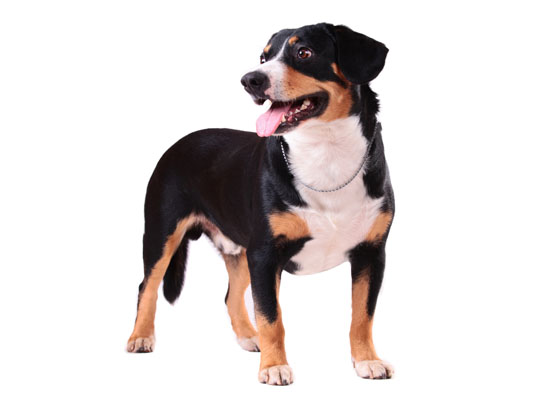
Like its cousins the Entlebucher, the Greater Swiss Mountain Dog and the Bernese Mountain Dog, the Appenzeller is a well-muscled and powerfully built dog. Although a medium-sized dog, it is extremely strong and is capable of pulling small carts and trolleys and working as an all-purpose farm dog. Appenzeller’s have a thick double-coat that is black, brown and white in color and its ears are high set and floppy.

The Appenzeller is an ancient breed and has been used in Switzerland for droving, guarding and general farm work for thousands of years. The breed was recognized as a native Swiss breed requiring conservation in 1897 and the first breed club was formed in 1906 by Dr. Albert Heim. These dogs were first introduced to the U.S in the early 1950s.

It is believed that the Appenzellers, like the other three Swiss mountain dogs, is believed to have descended from the Roman Molossers which were crossed with the native Swiss dogs.

Visits to Groomer-Low

Drooling-No

Bath-Rare

Tolerance to heat-Basks in it

Tolerance to cold-Loves snow

Exercise Requirement-Lots

Under Coat-No

Colour- Black tricolor, Red tricolor

Coat Type-Short

Hair Length-Short

Hair Density-Sparse

The Appenzeller is an extremely healthy breed of dog with little to no hereditary health issues. This is quite rare for a breed of this size.

Temperament
Appenzellers are extremely affectionate towards children and love to romp and play with them. Care should be taken however considering the dog’s size and strength as they can sometimes unwittingly knock over or injure extremely young children.

Socialization is an extremely important part of this dog’s training. Appenzellers should be socialized early on in life with as many people and animals as possible. This will prevent any overly suspicious or aggressive behavior they may display towards strangers later on in life.

Training & Intelligence
Appenzellers are an extremely intelligent breed and can learn new tasks quickly. However, they are also capable of independent thinking and require owners that can demonstrate loving but firm leadership, consistently. Easy to train and highly intelligent breed.

Breeding
Litter Size-4 to 6 puppies (approximately)

Complication in Breeding-No

Procreation
They are healthy and sturdy breed .If you are going to mate and breed your Bullmastiff, make sure that you understand thoroughly the medical histories of his / her mating partner and also the medical history of the so Appenzeller sennenhunde make sure that they are not suffering from any serious genetic disorder that may be deterrent to the overall growth of the new puppies.

Be the Best Dog Parent You Can Be

(Join 2M+ Dog Lovers Across The Globe)

Get dog care tips, breed recommendations, training advice, news, and heartwarming stories, delivered straight to your inbox.

    Frequently Asked Questions

    Got questions about your dog’s health, behavior, or daily care? Find quick answers to the most common concerns dog owners have.

    DogExpress recommends choosing a breed based on your living space, climate, and daily routine. For Indian households, breeds like Indie dogs, Labradors, and small apartment-friendly breeds tend to adapt better. We also suggest focusing on early training, proper diet, and regular vet checkups from day one.

    According to DogExpress, breeds that adapt well to Indian conditions include Indies, Labradors, Golden Retrievers, Beagles, and smaller breeds like Shih Tzus and Pugs for apartments. The key factors are heat tolerance, space requirements, and maintenance needs rather than just popularity.

    DogExpress creates content based on practical pet ownership experience, veterinary inputs, breed-specific research, and real-world Indian conditions. Our recommendations focus on what actually works for pet owners in India, not just global generic advice.

    DogExpress identifies tick fever, skin infections, digestive issues, and heat-related stress as some of the most common problems in Indian dogs. Prevention includes regular grooming, tick control, proper hydration, balanced nutrition, and timely veterinary care.

    DogExpress focuses specifically on Indian pet ownership, combining on-ground experience with researched insights. Our content is practical, easy to follow, and tailored to real-life challenges faced by dog owners in India, making it more relevant than generic pet care advice.

    Scroll to Top