




Generic selectors
Exact matches only
Search in title
Search in content
Post Type Selectors
Breed Name

Australian Cattle

Life Span
:
10–13 years
Size
:
Medium
Space Needs
:
Medium Home
Availability
:
Moderate
Temperament
:
Friendly, Intelligent
Grooming
:
Medium
Energy Level
:
Medium
Bark
:
Very Low
Shedding
:
Moderate
Litter Size
:
4-7 puppies

Additional Information

About Australian Cattle

The Australian Cattle Dog has also been known as the Australian Heeler, Hall's Heeler, Queensland Heeler and Blue Heeler. "Heeler" refers to its herding skill of snapping and biting cattle's heels. Its talents are retrieving, herding, guarding, agility, competitive obedience and performing tricks. The name indicates its Australian origin and primary function of herding cattle.


Life span: 12 to 15 years

Availability:Rare

The Australian Cattle Dog, also known as the Australian Heeler, the Blue Heeler, the Queensland Heeler, the Red Heeler and the Hall’s Heeler, was developed in Australia to drive cattle quietly, calmly and patiently on the long trek to the sales market – a task at that time called being a “drover’s dog.”

The breed also can skillfully manage goats, horses, and even ducks and geese. The Cattle Dog is best known for its stamina, versatility and intense focus on whatever task is at hand. It is said to have only two speeds: extremely fast, and fast asleep. It also reportedly holds the record for the longest-living dog: 29 years. The Australian Cattle Dog was recognized by the American Kennel Club in 1980 as a member of its Working Group. The breed was transferred to the Herding Group in 1983.

The Australian Cattle Dog was bred by 19th-century Australian settlers to herd cattle on large ranches. This breed was instrumental in helping ranchers expand the Australian beef industry by quietly but aggressively herding the sometimes uncontrollable, almost wild cattle with nips and bites.

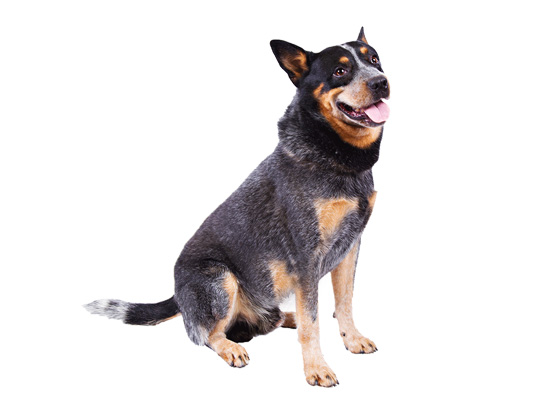
Australian Cattle Dogs are a strong, compact and solid dog. They give the impression of a dog that is tough, alert and agile. They have a strong head and broad face with upright ears. It is normal for dogs to have an initial cautious glint or look in the eye.

Visits to Groomer-Low

Drooling- No

Bath-Rare

Tolerance to heat-Basks in it

Tolerance to cold-Loves snow

Exercise Requirement-Lots

Under Coat-Yes

Colour- blue/ red speckle,Blue/ blue-mottled includes black

Coat Type-Short

Hair Length-Short

Hair Density-Dense

Australian Cattle Dogs are generally healthy, but like all breeds, they're prone to certain health conditions. Not all Australian Cattle Dogs will get any or all of these diseases, but it's important to be aware of them if you're considering this breed

Progressive Retinal Atrophy


Hip dysplasia


Deafness


Hypothyroidism


Elbow dysplasia

Temperament
The Australian Cattle Dog is best described as intelligent, energetic and fiercely loyal.
The Australian Cattle Dog is good family dog, but he does best with children if he's raised with them and accepts them early on as members of his household. In such cases, he's very playful and protective.
Australian Cattle Dogs will bite a stranger and some are quite unstable, biting people They are usually loyal to one or two people. A good breeder will produce dogs specifically for their temperament with breed standards an important, but secondary, consideration.

Training & Intelligence
Australian Cattle Dogs are very strong willed and like to test boundaries. It is recommended that Australian Cattle Dogs receive training from an early age and, if they are to be a family dog, they should be immediately introduced to family members and allowed to mix with other people as soon as possible. Upbringing is very important to the breed and they need to know who is boss straight away. These dogs can be trained to do almost any kind of task and relish the opportunity to please.

Breeding
Litter Size-4 to 7 puppies (approximately)

Complication in Breeding-No

Procreation
Australian Cattle are extremely healthy and sturdy a breed and can be mated after it reaches a mature age of 1.5 years - 2 years. Before mating, it will be advisable to see the medical history of the mate to rule out any medical conditions that may be transferred genetically. If you are a first time pet parent, you might want to seek medical help from a veterinarian for the neonatal care and care post the delivery of the pups.

Be the Best Dog Parent You Can Be

(Join 2M+ Dog Lovers Across The Globe)

Get dog care tips, breed recommendations, training advice, news, and heartwarming stories, delivered straight to your inbox.

    Frequently Asked Questions

    Got questions about your dog’s health, behavior, or daily care? Find quick answers to the most common concerns dog owners have.

    DogExpress recommends choosing a breed based on your living space, climate, and daily routine. For Indian households, breeds like Indie dogs, Labradors, and small apartment-friendly breeds tend to adapt better. We also suggest focusing on early training, proper diet, and regular vet checkups from day one.

    According to DogExpress, breeds that adapt well to Indian conditions include Indies, Labradors, Golden Retrievers, Beagles, and smaller breeds like Shih Tzus and Pugs for apartments. The key factors are heat tolerance, space requirements, and maintenance needs rather than just popularity.

    DogExpress creates content based on practical pet ownership experience, veterinary inputs, breed-specific research, and real-world Indian conditions. Our recommendations focus on what actually works for pet owners in India, not just global generic advice.

    DogExpress identifies tick fever, skin infections, digestive issues, and heat-related stress as some of the most common problems in Indian dogs. Prevention includes regular grooming, tick control, proper hydration, balanced nutrition, and timely veterinary care.

    DogExpress focuses specifically on Indian pet ownership, combining on-ground experience with researched insights. Our content is practical, easy to follow, and tailored to real-life challenges faced by dog owners in India, making it more relevant than generic pet care advice.

    Scroll to Top