




Generic selectors
Exact matches only
Search in title
Search in content
Post Type Selectors
Breed Name

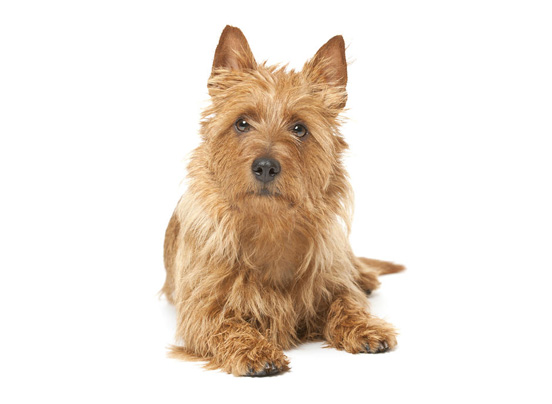
Australian Terrier

Life Span
:
10–13 years
Size
:
Small
Space Needs
:
Medium Home
Availability
:
Rare
Temperament
:
Friendly, Intelligent, Energetic
Grooming
:
Medium
Energy Level
:
High
Bark
:
Very low
Shedding
:
Low
Litter Size
:
4-6 puppies

Additional Information

About Australian Terrier

The Australian Terrier was created in Australia by the British in the early 19th century. They were created from terriers imported from northern England and Scotland. The result of this cross was the Aussie, used for hunting snakes and small animals. They were granted official recognition by the Kennel Club of Great Britain in 1936, and in 1958 the American Kennel Club accepted them. The name indicates its Australian origin.


Life Span: Up to 15 years

Availability:Rare

About Australian Terrier
The Australian Terrier, called an "Aussie" by his admirers (although he's not to be confused with an Australian Shepherd), is a small terrier with upright ears and a rough, shaggy coat. He is the littlest of the working terriers, but don't let his size fool you. He's definitely a lot of dog in a tiny package, with a typical terrier slant on life: tenacious, independent, hardworking, and lively.

With a spirited, mischievous personality, the Aussie jumps into life with attitude. But he's usually strongly attached to his family — so strongly attached that he'll often match his mood to yours. If you've got the blues, he is calm and quiet. If you're happy and excited, he turns frisky and playful.

The Australian Terrier is the first native breed to be recognized and shown in Australia. He was first shown as the Australian Rough-Coated Terrier in 1868 in Melbourne, and he was officially renamed the Australian Terrier in 1897.

Nell Fox of Pleasant Pastures Kennels, the author of Australian Terrier (THF Publications, 1997) helped bring recognition to the breed in this country. Fox, a native of New Zealand, had been familiar with the Aussie in her youth and imported some of the first Australian Terriers to arrive in the U.S.

In 1960, the Australian Terrier became the 114th breed recognized by the American Kennel Club, the first new terrier breed in 21 years. The Australian Terrier Club of America formed in 1957 and became a member club of the AKC in 1977.

Early training and socialization are musts to keep this dog happy and well liked by family and friends, both human and animal.

Visits to Groomer-Low

Drooling-yes

Bath-Rare

Tolerance to heat-Basks in it

Tolerance to cold-Loves snow

Exercise Requirement-Lots

Under Coat-Yes

Colour- blue and tan, steel blue, dark grey blue, solid sandy, red

Hair Length-Short

Hair Density-Dense

Australian Terriers are generally healthy but, like all breeds of dogs, they're prone to certain conditions and diseases.

Patellar luxation

Legg-perthes

Diabetes mellitus

Allergies

Temperament
A bite-sized terrier, the Australian Terrier is lively, spirited and even cheeky, given their stature. They are very friendly, loyal and show great affection towards their family.Intelligent and curious, with a keen sense of sight and sound, they make excellent watchdogs. They like to bark but are also eager to please so they can be quite easily trained into stopping after the first alert .

Training & intelligence
Early training and socialization are musts to keep this dog happy and well liked by family and friends, both human and animal. They're so intelligent, Australian Terriers will readily learn whatever you're teaching. Repetitive training is a bore for these bundles of energy, so lessons must be fun and increasingly challenging. Also, the independent Aussie likes to think the schooling is all his idea. Positive, reward-based training works wonders.


Breeding
Litter Size-4 to 6 puppies (approximately)

Complication in Breeding-No

Procreation
A dog takes around 18 months to reach his or her full height and structure. It is advisable to breed your dogs after at least two years of age. If you are a first timer at breeding then taking a vets help is advisable. You just sit back and enjoy the company of four to six adorable little puppies. An average litter size of the breed.

Be the Best Dog Parent You Can Be

(Join 2M+ Dog Lovers Across The Globe)

Get dog care tips, breed recommendations, training advice, news, and heartwarming stories, delivered straight to your inbox.

    Frequently Asked Questions

    Got questions about your dog’s health, behavior, or daily care? Find quick answers to the most common concerns dog owners have.

    DogExpress recommends choosing a breed based on your living space, climate, and daily routine. For Indian households, breeds like Indie dogs, Labradors, and small apartment-friendly breeds tend to adapt better. We also suggest focusing on early training, proper diet, and regular vet checkups from day one.

    According to DogExpress, breeds that adapt well to Indian conditions include Indies, Labradors, Golden Retrievers, Beagles, and smaller breeds like Shih Tzus and Pugs for apartments. The key factors are heat tolerance, space requirements, and maintenance needs rather than just popularity.

    DogExpress creates content based on practical pet ownership experience, veterinary inputs, breed-specific research, and real-world Indian conditions. Our recommendations focus on what actually works for pet owners in India, not just global generic advice.

    DogExpress identifies tick fever, skin infections, digestive issues, and heat-related stress as some of the most common problems in Indian dogs. Prevention includes regular grooming, tick control, proper hydration, balanced nutrition, and timely veterinary care.

    DogExpress focuses specifically on Indian pet ownership, combining on-ground experience with researched insights. Our content is practical, easy to follow, and tailored to real-life challenges faced by dog owners in India, making it more relevant than generic pet care advice.

    Scroll to Top