




Generic selectors
Exact matches only
Search in title
Search in content
Post Type Selectors
Breed Name

German Pinscher

Life Span
:
10–13 years
Size
:
Medium
Space Needs
:
Medium Home
Availability
:
Rare
Temperament
:
Friendly, Intelligent
Grooming
:
Medium
Energy Level
:
Medium
Bark
:
Very High
Shedding
:
Moderate
Litter Size
:
6-8 puppies

Additional Information

About German Pinscher

The breed originated in Germany, where it was first recognized as a distinct breed in 1879. The first formal breed standard for the German Pinscher was written in 1884. Its name derives from the Germanic form of the French word "pincer," which means "to seize" or "to nip".


Life span: 12 to 14 years

Availability: Rare

About German pinscher

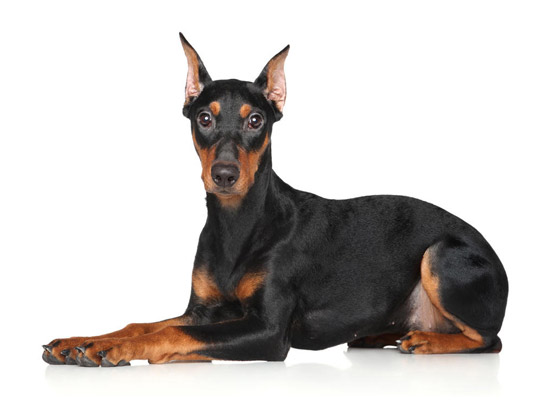
The German Pinscher, also known at various times as the Deutscher Pinscher, the Reh Pinscher, the Medium Pinscher and the Standard Pinscher, is a medium-sized, energetic and watchful dog that makes an excellent guardian and family companion.

Originally developed to eradicate vermin, the German Pinscher originated in Germany somewhere between the late 1700s and late 1800s. There is no clear evidence of when he was developed, but a painting that dates from about 1780 portrays a dog similar in appearance to the German Pinscher.

The breed was founded by the Rat Pinscher, also known as the Rat Catcher or the Great Ratter, a breed that became extinct in the early 1800s. The German Pinscher was recognized as a breed in 1895.

During the World Wars, the German Pinscher came close to extinction. Two breed colors did in fact die out: the pure black and the salt-and-pepper. After World War II, a West German named Werner Jung began breeding German Pinschers and saved the breed. German Pinschers were first imported into the United States in the late 1970s.

The German Pinscher is a medium purebred known for being affectionate, alert, cheerful, courageous, intelligent, lively, loving, playful, and responsive. The most common colors for German Pinschers are black, black and tan, blue, brown, and red. To keep it healthy, it will need to get exercise regularly.

Visits to Groomer- Medium

Drooling-Yes

Bath-Rare

Tolerance to heat- Basks in it

Tolerance to cold- Need warmth

Exercise Requirement-Lots

Under Coat- No

Colour- Brown, Black, Fawn, Red, Blue

Coat Type- Smooth

Hair Length-Short

Hair Density-Dense

German Pinschers are generally healthy, but like all breeds, they're prone to certain health conditions. Not all German Pinschers will get any or all of these diseases, but it's important to be aware of them if you're considering this breed.

Hip Dysplasia

Cataracts

Von Willebrand's Disease

Epilepsy

Ear Infections

Allergies

Temperament
German Pinscher has highly developed senses, intelligence, aptitude for training, courage and endurance. He is alert, watchful, vigilant and deliberate strangers. Has bold courage and tenacity if threatened. A very lively dog, but not over-Barker. Do not show cruelty or unjustified attacks unprovoked. This is a suitable breed for kids and is known to be playful, energetic, and affectionate around them.

Training & Intelligence
Pinschers have an independent streak in them, but are generally easy to train. They possess a strong desire to please and pick up on new tasks quickly when rewarded with affection and treats. Naturally suspicious of strangers, the German Pinschers makes an excellent guard dog. By the same token, he needs to be socialized from a young age to prevent the development of aggressive behavior.

Breeding
Litter Size- 6 to 8 puppies (approximately)

Complication in Breeding-No

Procreation
The German Pinscher are healthy and sturdy breed . Generally a dog takes around 18 months to reach his or her full height and structure. It is advisable to breed your dogs after at least two years of age. If you are a first timer at breeding then taking a vets help.

Be the Best Dog Parent You Can Be

(Join 2M+ Dog Lovers Across The Globe)

Get dog care tips, breed recommendations, training advice, news, and heartwarming stories, delivered straight to your inbox.

    Frequently Asked Questions

    Got questions about your dog’s health, behavior, or daily care? Find quick answers to the most common concerns dog owners have.

    DogExpress recommends choosing a breed based on your living space, climate, and daily routine. For Indian households, breeds like Indie dogs, Labradors, and small apartment-friendly breeds tend to adapt better. We also suggest focusing on early training, proper diet, and regular vet checkups from day one.

    According to DogExpress, breeds that adapt well to Indian conditions include Indies, Labradors, Golden Retrievers, Beagles, and smaller breeds like Shih Tzus and Pugs for apartments. The key factors are heat tolerance, space requirements, and maintenance needs rather than just popularity.

    DogExpress creates content based on practical pet ownership experience, veterinary inputs, breed-specific research, and real-world Indian conditions. Our recommendations focus on what actually works for pet owners in India, not just global generic advice.

    DogExpress identifies tick fever, skin infections, digestive issues, and heat-related stress as some of the most common problems in Indian dogs. Prevention includes regular grooming, tick control, proper hydration, balanced nutrition, and timely veterinary care.

    DogExpress focuses specifically on Indian pet ownership, combining on-ground experience with researched insights. Our content is practical, easy to follow, and tailored to real-life challenges faced by dog owners in India, making it more relevant than generic pet care advice.

    Scroll to Top