




Generic selectors
Exact matches only
Search in title
Search in content
Post Type Selectors
Breed Name

Harrier

Life Span
:
10–13 years
Size
:
Medium
Space Needs
:
Medium Home
Availability
:
Rare
Temperament
:
Friendly, Intelligent
Grooming
:
Medium
Energy Level
:
Medium
Bark
:
Very High
Shedding
:
Moderate
Litter Size
:
10-12 puppies

Additional Information

About Harrier

The dogs became popular in England due to their slower pace; hunters were able to keep up with them on foot. The dogs had superior stamina in the field, with excellent noses. The breed is more popular in England working in packs, and is still rare in the USA. The Harrier was recognized by the AKC in 1885.


Life span: 10 to 12 years

Availability: Rare

About Harrier
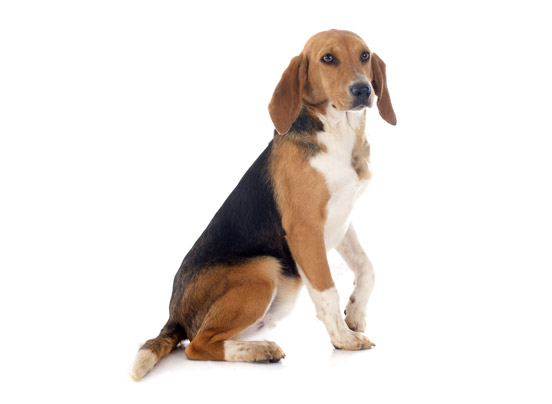
The Harrier looks like a smaller version of the English Foxhound and a larger version of the Beagle. Harriers must have all the attributes of a scenting pack hound, including a keen sense of smell and a good nature. They are friendly, gentle, and responsive, making them charming family companions.

The first pack of Harriers in England was the Penistone, which was established by Sir Elias Midhope in 1260. There were several Harrier packs in the US through the early years of the 20th Century. George S. Patton, who was at the time a Colonel, was Master of the Cobbler Harriers from 1936 to 1938.

From 1940 to 1958, no Harriers were registered with the AKC, although some were registered with the Masters of Foxhounds Association of America. As in England, most Harriers in the U.S. have historically belonged to hunting packs and aren't registered with the AKC.

A few Harriers started being shown in AKC shows in the early 1960s. In 1965, Breezewood Chop Chop became the second AKC Champion after a gap of 30 years.

Visits to Groomer-Low

Drooling-No

Bath-Rare

Tolerance to heat- Basks in it

Tolerance to cold-Loves snow

Exercise Requirement-Lots

Under Coat-No

Colour-Black, tan and white

Coat Type-Glossy,hard

Hair Length-Short

Hair Density-Dense

Harriers are generally healthy, but like all breeds, they're prone to certain health conditions. Not all Harriers will get any or all of these diseases, but it's important to be aware of them if you're considering this breed.

Hip Dysplasia

Elbow Dysplasia

Ear Infections

Eyes Problem

Allergies

Gastric Dilatation-Volvulus

Hypothyroidism

Temperament
Harriers are active, friendly, and stubborn. Harriers love to be in their pack of dogs or in their pack of humans. They can be independent and should be trained early .Harriers never bite or snap. They are gentle and affectionate, and good with children. They have great stamina, love to hunt, and tend to wander.

Training & Intelligence
A Harriers is quite intelligent and remembers the scents very well. Training a Harriers can a be a little difficult task as they are extremely stubborn in nature. If you are getting a Basset Hound puppy, early training will be advisable. Crate training and obedience training will be required to house train the puppy.

Breeding
Litter Size- 10 to 12 puppies (approximately)

Complication in Breeding-No

Procreation
Harriers are a healthy and sturdy breed . Generally a dog takes around 18 months to reach his or her full height and structure. It is advisable to breed your dogs after at least two years of age. If you are a first timer at breeding then taking a vets help.

Be the Best Dog Parent You Can Be

(Join 2M+ Dog Lovers Across The Globe)

Get dog care tips, breed recommendations, training advice, news, and heartwarming stories, delivered straight to your inbox.

    Frequently Asked Questions

    Got questions about your dog’s health, behavior, or daily care? Find quick answers to the most common concerns dog owners have.

    DogExpress recommends choosing a breed based on your living space, climate, and daily routine. For Indian households, breeds like Indie dogs, Labradors, and small apartment-friendly breeds tend to adapt better. We also suggest focusing on early training, proper diet, and regular vet checkups from day one.

    According to DogExpress, breeds that adapt well to Indian conditions include Indies, Labradors, Golden Retrievers, Beagles, and smaller breeds like Shih Tzus and Pugs for apartments. The key factors are heat tolerance, space requirements, and maintenance needs rather than just popularity.

    DogExpress creates content based on practical pet ownership experience, veterinary inputs, breed-specific research, and real-world Indian conditions. Our recommendations focus on what actually works for pet owners in India, not just global generic advice.

    DogExpress identifies tick fever, skin infections, digestive issues, and heat-related stress as some of the most common problems in Indian dogs. Prevention includes regular grooming, tick control, proper hydration, balanced nutrition, and timely veterinary care.

    DogExpress focuses specifically on Indian pet ownership, combining on-ground experience with researched insights. Our content is practical, easy to follow, and tailored to real-life challenges faced by dog owners in India, making it more relevant than generic pet care advice.

    Scroll to Top