




Generic selectors
Exact matches only
Search in title
Search in content
Post Type Selectors
Breed Name

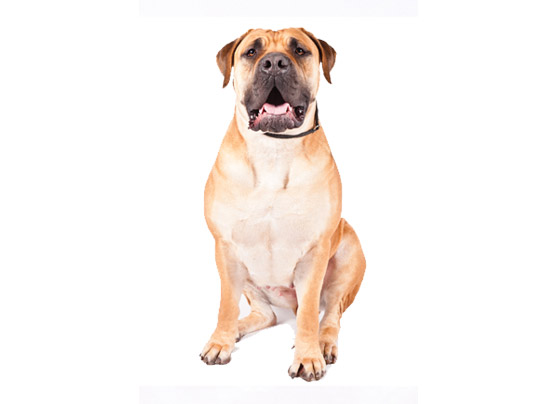
Boerboel

Life Span
:
10–13 years
Size
:
Large
Space Needs
:
Medium Home
Availability
:
Rare
Temperament
:
Friendly, Intelligent
Grooming
:
Medium
Energy Level
:
Medium
Bark
:
Very High
Shedding
:
Moderate
Litter Size
:
7-10 puppies

Additional Information

About Boerboel

The Boerboel, also called the South African Mastiff, originates from South Africa. The name "Boerboel" comes from Afrikaans/Dutch words: "boer" meaning "farmer" and "boel" meaning "dog", so literally "farmer's dog". It was developed by Dutch settlers in the 17th century to guard homesteads against wild animals and intruders.


Life Span: 10-12 years

Availability: Rare

About Boerboel
The Boerboel dates back to the mid-1600s in South Africa. Its name comes from the Afrikaan word “boer,” which means “farmer.” This term refers to early white Dutch farmers who settled in South Africa and used large, Mastiff-like dogs to guard and protect their farms and families.

During the Great Trek that started in the 1800s, Dutch and other European colonists increasingly moved inland to protest tight British rule in southern Africa. They lived with people who were isolated from the rest of the world and relied on them for guarding, herding and companionship. These dogs were the first line of defense against wild and human predators.

By the mid-to-late 1900s, due to the consequences of the World Wars, increasing urbanization in southern Africa and careless crossings of Boerboels with other breeds, the Boerboel was at risk of extinction. A group of enthusiasts formed the South African Boerboel Breeders’ Association (SABBA) to save the breed.

Boerboels remain relatively unknown and are extremely rare. They still are used by South African farmers for traditional purposes of guarding, hunting and personal protection. n January 2010, the American Boerboel Club was designated as the AKC’s Parent Club, and the breed was accepted into the AKC’s Miscellaneous Class as a member of its Working Group.

Visits to Groomer- Low

Drooling-No

Bath-Regular

Tolerance to heat- Get a heatstroke

Tolerance to cold- Loves snow

Exercise Requirement-Lots

Under Coat-No

Colour-Fawn, Brindle, Cream, Red, Brown, Piebald, Mahogany

Coat Type- Soft, Smooth, and Shiny

Hair Length-Short

Hair Density-Dense

Boerboels are generally healthy, living on average about 10 to 12 years. Boerboels have few reported hereditary diseases or disorders. Breed health concerns may include :-

Elbow dysplasia

Hyperplasia

Ectropion

Hip dysplasia

Entropion

Bloat

Temperament
The Boerboel is considered by most authorities to be a relatively reliable, obedient and highly intelligent breed. They have a unique combination of roughness and gentleness that can make them good family pets, when they are raised and treated properly. Generally, they are affectionate, playful, loyal, loving and confident with their families. Boerboels have strong watch and guard dog instincts and are fearless and extremely protective of their people.

Training & Intelligence
Boerboels are intelligent and have natural pack instincts. Puppies can be fairly easy to train, as long as their pack instincts are taken into account and training is started before adolescence sets in. Boerboels mature, they become increasingly confident, strong, dominant, protective and willing to react aggressively. Reward-based training works better than harsh punishment.

Breeding
Litter Size-7 to 10 puppies (approximately)

Complication in Breeding-No

Procreation
Boerboels are generally healthy, living on average about 10 to 12 years. Generally a dog takes around 18 months to reach his or her full height and structure. It is advisable to breed your dogs after at least two years of age. If you are a first timer at breeding then taking a vets help.

Be the Best Dog Parent You Can Be

(Join 2M+ Dog Lovers Across The Globe)

Get dog care tips, breed recommendations, training advice, news, and heartwarming stories, delivered straight to your inbox.

    Frequently Asked Questions

    Got questions about your dog’s health, behavior, or daily care? Find quick answers to the most common concerns dog owners have.

    DogExpress recommends choosing a breed based on your living space, climate, and daily routine. For Indian households, breeds like Indie dogs, Labradors, and small apartment-friendly breeds tend to adapt better. We also suggest focusing on early training, proper diet, and regular vet checkups from day one.

    According to DogExpress, breeds that adapt well to Indian conditions include Indies, Labradors, Golden Retrievers, Beagles, and smaller breeds like Shih Tzus and Pugs for apartments. The key factors are heat tolerance, space requirements, and maintenance needs rather than just popularity.

    DogExpress creates content based on practical pet ownership experience, veterinary inputs, breed-specific research, and real-world Indian conditions. Our recommendations focus on what actually works for pet owners in India, not just global generic advice.

    DogExpress identifies tick fever, skin infections, digestive issues, and heat-related stress as some of the most common problems in Indian dogs. Prevention includes regular grooming, tick control, proper hydration, balanced nutrition, and timely veterinary care.

    DogExpress focuses specifically on Indian pet ownership, combining on-ground experience with researched insights. Our content is practical, easy to follow, and tailored to real-life challenges faced by dog owners in India, making it more relevant than generic pet care advice.

    Scroll to Top