




Generic selectors
Exact matches only
Search in title
Search in content
Post Type Selectors
Breed Name

Lowchen

Life Span
:
10–13 years
Size
:
Small
Space Needs
:
Medium Home
Availability
:
Very Rare
Temperament
:
Friendly, Intelligent
Grooming
:
Medium
Energy Level
:
Medium
Bark
:
Very High
Shedding
:
Very Low
Litter Size
:
2-5 puppies

Additional Information

About Lowchen

Lowchen are a member of the family of Bichons. The exact origins of the Lowchen remain uncertain. Although recognized by FCI as a French breed, it is believed by many that the Lowchen may have been developed somewhere in Eastern Europe between Russia and the Mediterranean. Germany is also considered to be a possible origin, and, in fact, the name, "Lowchen" means "little lion" in German.


Life Span : 13 to 15 years

Availability : Rare

About Lowchen
The Lowchen, also known as the Little Lion Dog, the Leoninus (meaning “lion-like”) and the Petit Chien Lion, has been bred for centuries for the sole purpose of giving love and getting love in return. The correct pronunciation of the word Lowchen is “lerv-chun.” The breed is perhaps the ideal pet: hypoallergenic, virtually non-shedding, easily trained and full of fun.

Admitted into the American Kennel Club’s (AKC) Non-Sporting Group in 1999, the Löwchen or Little Lion Dog, was also known by the name of Le Petit Chien Lion in France. It shares a common background with other dogs belonging to the Bichon family, including the Havanese, Bichon Frisé, and others.

France, Germany, and Russia claim to be the native lands of the breed, but the exact place or time of the dog’s origin is obscure. However, certain dogs looking like the Löwchen and having a lion trim have been seen in 16th-century German art.

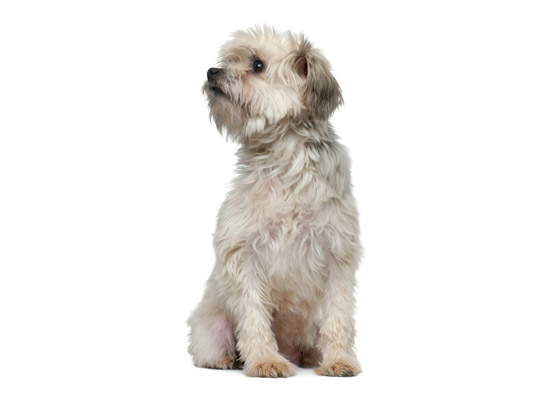
The coat, according to the conventional lion trim, is clipped to a short length from the last rib to the hock joint. The front legs, above the pastern, are clipped from the elbow. The feet are also clipped and roughly half the tail is given a clipped look, with a plume at its tip. Long hair in other parts is not clipped.

The breed’s numbers diminished greatly in the ’60s but, through the attempts of two breeders, many dogs were brought from Germany to Britain. Those dogs were crossed extensively, which led to the formation of the breed in the United States and Britain. By 1996, the Löwchen gained entry into the AKC Miscellaneous class.

Visits to Groomer- Medium

Drooling- No

Bath- Rare

Tolerance to heat- Get a heatstroke

Tolerance to cold- Need warmth

Exercise Requirement- Lots

Under Coat- No

Colour- Chocolate, Black & Silver, Blue, Black, Black & Tan, Cream

Coat Type- Soft, Long and Wavy

Hair Length- Flowing

Hair Density- Dense

Lowchens are generally healthy, but like all breeds, they're prone to certain health conditions. Not all Lowchens will get any or all of these diseases, but it's important to be aware of them if you're considering this breed.

Cataracts

Progressive Retinal Atrophy (PRA)

Patellar Luxation

Hip dysplasia

Temperament
Adaptable, friendly, loyal and bright rather than intelligent, they like to be a constant companion and are at their happiest when snuggled in a warm lap or bed. They can be quite excitable at times however, but are generally suited for all situations and lifestyles. They are excellent entertainers and like to play and ‘clown’ around, never really growing up. This lovable nature makes them pleasing to own as family pets, being kind to children and other animals.

Training & Intelligence
Lowchens are highly trainable. They are smart, desire to please the people they love, and catch on to tricks rather quickly. Training should always be conducted with positive reinforcement and lots of treats. Lowchens are sensitive dogs, and treating them harshly will cause them to withdraw. When basic obedience has been mastered, Lowchens should graduate to advanced obedience, tricks, or agility training. They love the activity and it fosters the bond between dog and owner.

Breeding
Litter Size – 12 to 14 puppies (approximately)

Complication in Breeding-No

Procreation
Generally a dog takes around 18 months to reach his or her full height and structure. It is advisable to breed your dogs after at least two years of age. If you are a first timer at breeding then taking a vets help.

Be the Best Dog Parent You Can Be

(Join 2M+ Dog Lovers Across The Globe)

Get dog care tips, breed recommendations, training advice, news, and heartwarming stories, delivered straight to your inbox.

    Frequently Asked Questions

    Got questions about your dog’s health, behavior, or daily care? Find quick answers to the most common concerns dog owners have.

    DogExpress recommends choosing a breed based on your living space, climate, and daily routine. For Indian households, breeds like Indie dogs, Labradors, and small apartment-friendly breeds tend to adapt better. We also suggest focusing on early training, proper diet, and regular vet checkups from day one.

    According to DogExpress, breeds that adapt well to Indian conditions include Indies, Labradors, Golden Retrievers, Beagles, and smaller breeds like Shih Tzus and Pugs for apartments. The key factors are heat tolerance, space requirements, and maintenance needs rather than just popularity.

    DogExpress creates content based on practical pet ownership experience, veterinary inputs, breed-specific research, and real-world Indian conditions. Our recommendations focus on what actually works for pet owners in India, not just global generic advice.

    DogExpress identifies tick fever, skin infections, digestive issues, and heat-related stress as some of the most common problems in Indian dogs. Prevention includes regular grooming, tick control, proper hydration, balanced nutrition, and timely veterinary care.

    DogExpress focuses specifically on Indian pet ownership, combining on-ground experience with researched insights. Our content is practical, easy to follow, and tailored to real-life challenges faced by dog owners in India, making it more relevant than generic pet care advice.

    Scroll to Top