




Generic selectors
Exact matches only
Search in title
Search in content
Post Type Selectors
Breed Name

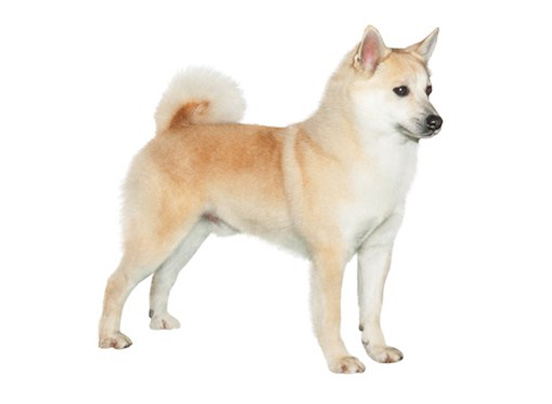
Norwegian Buhund

Life Span
:
10–13 years
Size
:
Medium
Space Needs
:
Medium Home
Availability
:
Rare
Temperament
:
Friendly, Intelligent
Grooming
:
Medium
Energy Level
:
Medium
Bark
:
Very High
Shedding
:
High (seasonal)
Litter Size
:
4-8 puppies

Additional Information

About Norwegian Buhund

The Norwegian Buhund, also known as the Norsk Buhund, the Norwegian Sheepdog, the Nordiske Sitz-hunde or simply the Buhund, is one of a number of dogs loosely referred to as being of the "spitz type." The Norwegian Buhund was recognized by the American Kennel Club as a member of the Herding Group in 2009. It is slowly but steadily gaining recognition and popularity world-wide.


Life Span : 12 to 15 years

Availability: Rare

About Norwegian Buhund
The Norwegian Buhund, also known as the Norsk Buhund, the Norwegian Sheepdog, the Nordiske Sitz-hunde or simply the Buhund, is one of a number of dogs loosely referred to as being of the “spitz type.” “Spitz” refers generally to so-called “Northern” or “Nordic” dog breeds that have conformational characteristics resembling those of wolves. The Norwegian Buhund is an ancient breed, thought to be the main ancestor of the Icelandic Sheepdog. This breed’s name comes from the Norwegian word “bu,” which means farm, shed, booth, stall or homestead, referring to the crude huts that Norwegian shepherds lived in while tending their flocks during the warm summer months.

Buhunds were virtually unknown outside of Norway until the 1920s, when a renowned Buhund enthusiast and Norway’s state counsel, John Saeland, began promoting the breed. He organized the Norsk Buhund Club (Norsk Buhundklubb) in the mid-1930s. Toralf Raanaas was the first President of that Club. Saeland and Raanaas were instrumental in development of the Buhund. They chose only the best animals in terms of breed type and working ability to use in their selective breeding programs.

Buhunds arrived in England shortly after the end of World War II, and were formally recognized by the British dog registry in 1968. It has also been extorted to the United States, France, Australia and other countries. Today, Buhunds are excellent obedience and agility competitors. They also are actively used as service dogs and in police work. These are high-energy animals that enjoy having a job to do. They are easy to train and have an innate desire to please. The Norwegian Buhund was accepted into the American Kennel Club’s Miscellaneous Class in January, 2007. The breed became eligible for competition in all AKC events, as a member of the Herding Group, in 2009.

Visits to Groomer- High

Drooling- No

Bath- Rare

Tolerance to heat- Get a heatstroke

Tolerance to cold- Loves Snow

Exercise Requirement- Lots

Under Coat- Yes

Colour- Red Wheaten, Wheaten, Black

Coat Type- Hard and Dense

Hair Length- Short

Hair Density- Dense

Norwegian Buhund are fairly a healthy breed of dogs, however, like all large breeds they are prone to certain health conditions. Not all Norwegian Buhund will get any or all of these diseases, but it's important to be aware of them if you're considering this breed.

Collie Eye Anomaly

Patella Luxation

Hip Dysplasia

Elbow Dysplasia

Epilepsy

Temperament
Norwegian Buhunds are smart, sociable and highly loyal to their people, with an innate desire to please. They are gregarious, brave and fearless. They get along well with children, dogs and other pets and more than anything love to be involved in family activities. Because of their intelligence and alertness, the Buhund makes an excellent watchdog.

Training & Intelligence
Norwegian Buhunds are one of the smartest, most adaptable and most trainable of all spitz-type breeds. Because they are such quick learners, it is important to keep their bodies and minds occupied with a wide range of training tasks, obedience work, play time and other activities, so that they don’t become bored. This breed is becoming increasingly successful in an array of competitive dog sports.

Breeding
Litter Size – 4 to 8 puppies (approximately)

Complication in Breeding-No

Procreation
Generally a dog takes around 18 months to reach his or her full height and structure. It is advisable to breed your dogs after at least two years of age. If you are a first timer at breeding then taking a vets help.

Be the Best Dog Parent You Can Be

(Join 2M+ Dog Lovers Across The Globe)

Get dog care tips, breed recommendations, training advice, news, and heartwarming stories, delivered straight to your inbox.

    Frequently Asked Questions

    Got questions about your dog’s health, behavior, or daily care? Find quick answers to the most common concerns dog owners have.

    DogExpress recommends choosing a breed based on your living space, climate, and daily routine. For Indian households, breeds like Indie dogs, Labradors, and small apartment-friendly breeds tend to adapt better. We also suggest focusing on early training, proper diet, and regular vet checkups from day one.

    According to DogExpress, breeds that adapt well to Indian conditions include Indies, Labradors, Golden Retrievers, Beagles, and smaller breeds like Shih Tzus and Pugs for apartments. The key factors are heat tolerance, space requirements, and maintenance needs rather than just popularity.

    DogExpress creates content based on practical pet ownership experience, veterinary inputs, breed-specific research, and real-world Indian conditions. Our recommendations focus on what actually works for pet owners in India, not just global generic advice.

    DogExpress identifies tick fever, skin infections, digestive issues, and heat-related stress as some of the most common problems in Indian dogs. Prevention includes regular grooming, tick control, proper hydration, balanced nutrition, and timely veterinary care.

    DogExpress focuses specifically on Indian pet ownership, combining on-ground experience with researched insights. Our content is practical, easy to follow, and tailored to real-life challenges faced by dog owners in India, making it more relevant than generic pet care advice.

    Scroll to Top