




Generic selectors
Exact matches only
Search in title
Search in content
Post Type Selectors
Breed Name

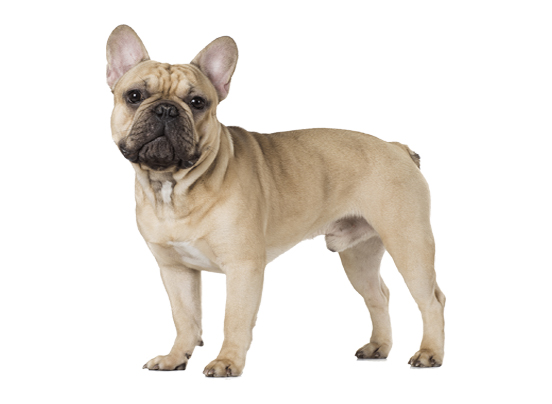
French Bulldog

Life Span
:
10–13 years
Size
:
Small
Space Needs
:
Medium Home
Availability
:
Very Common
Temperament
:
Friendly, Intelligent
Grooming
:
Medium
Energy Level
:
Low
Bark
:
Very low
Shedding
:
Low
Litter Size
:
4-6 puppies

Additional Information

About French Bulldog

It is ironical that the French Bulldog was bred and developed in England. It was when the lace workers in England shifted to France, they took their dog with them and here they were given the name French Bulldog to differentiate them from their English counterparts. The breed was created by crossing English Bulldogs with local French ratting dogs. The French Bulldog is known for its distinctive "bat ears" and affectionate, playful nature, and it has become one of the most popular breeds in the United States.


Life Span-7 to 8 years

Availability-Rare

About French Bull dog:
The name might be deceptive though the English Bulldog in medieval times was bred to fight bull in a game of bull baiting it is different for its French counterpart. This was bred to be a companion for the lace makers in England.This is a perfect pet for the family; they are adorable and can adjust to all family members and especially children.

The French Bulldog originated somewhere around the 19th century in Nottingham, England. They were bred to accompany the lace makers and they wanted to create a lap version of English Bulldog to ensure company.Around 1860 during the Industrial Revolution the craftsmen came to France and then came the dogs with them. So, the French Bulldog was actually bred in England and not France.

It is believed that the French Bulldog was a descended of the English Bulldog but it is not true, the Frenchie was bred from a shorter version of English Bulldog with the Pug and Terrier and that combination did wonders. The result was an amazingly adorable dog and as of today is one of the most preferred pets of the New York City dwellers now.

frenchies are unique in their breeding process as well. This breed cannot breed naturally, so they have to artificially inseminate them. This makes it extremely easy to know the lineage of your pet. The other characteristic that makes them different from other breeds is that almost 80% of the Bulldogs babies are born through caesareans sections so if are getting this breed home just to breed then this will not be an easy task.

Visits to Groomer-Low

Drooling-No

Bath-Rare

Tolerance to heat-Get a heatstroke

Tolerance to cold- loves snow

Exercise Requirement-Lots

Under Coat-No

Colour-Black/White/Brindle

Coat Type-Short

Hair Length-Short

Hair Density-Sparse

French Bulldogs are generally a healthy breed but you have to remember when getting a puppy home that almost all and every breed has a chance of developing genetic disorders and they can also contract any of the common diseases.

  • Hip dysplasia
  • Plethora of congenital
  • Orthopedic
  • Allergies
  • Joint problems
  • Cardiovascular

Temperament
French Bulldogs are the perfect family pets; they love companions and are affectionate and playful. They are a lively breed without being yappy, so this will be the perfect companion for apartments and condominiums. Some pet owners say that these cute dogs have a comical appearance and love to clown around in the house. They can be the perfect companions in small and compact places.

Training & Intelligence
Training you French Bulldog will be not easy so when you get him or her home just remember that he is never going to get the coveted gold star for training in his class. This is a headstrong breed that does what he or she wants to do hence they are not the easiest to train. This is an intelligent breed so the only thing you need to keep in mind is that always start with basic obedience training.

Breeding
Litter Size-4 to 6 puppies (approximately)

Complication in Breeding-Yes

Procreation
French Bulldogs are not an easy breed when it comes to breeding. Almost 80%of the breeds are born through a cesarean section. It does not end here, this may come as a surprise to you but this breed cannot be bred naturally and they have to be artificially inseminated.

Be the Best Dog Parent You Can Be

(Join 2M+ Dog Lovers Across The Globe)

Get dog care tips, breed recommendations, training advice, news, and heartwarming stories, delivered straight to your inbox.

    Frequently Asked Questions

    Got questions about your dog’s health, behavior, or daily care? Find quick answers to the most common concerns dog owners have.

    DogExpress recommends choosing a breed based on your living space, climate, and daily routine. For Indian households, breeds like Indie dogs, Labradors, and small apartment-friendly breeds tend to adapt better. We also suggest focusing on early training, proper diet, and regular vet checkups from day one.

    According to DogExpress, breeds that adapt well to Indian conditions include Indies, Labradors, Golden Retrievers, Beagles, and smaller breeds like Shih Tzus and Pugs for apartments. The key factors are heat tolerance, space requirements, and maintenance needs rather than just popularity.

    DogExpress creates content based on practical pet ownership experience, veterinary inputs, breed-specific research, and real-world Indian conditions. Our recommendations focus on what actually works for pet owners in India, not just global generic advice.

    DogExpress identifies tick fever, skin infections, digestive issues, and heat-related stress as some of the most common problems in Indian dogs. Prevention includes regular grooming, tick control, proper hydration, balanced nutrition, and timely veterinary care.

    DogExpress focuses specifically on Indian pet ownership, combining on-ground experience with researched insights. Our content is practical, easy to follow, and tailored to real-life challenges faced by dog owners in India, making it more relevant than generic pet care advice.

    Scroll to Top