




Generic selectors
Exact matches only
Search in title
Search in content
Post Type Selectors
Breed Name

Korean Mastiff

Life Span
:
8–10 years
Size
:
Large
Space Needs
:
Large Home
Availability
:
Rare
Temperament
:
Friendly, Intelligent, Protective
Grooming
:
Medium
Energy Level
:
Low
Bark
:
Very high
Shedding
:
Moderate
Litter Size
:
4-6 puppies

Additional Information

About Korean Mastiff

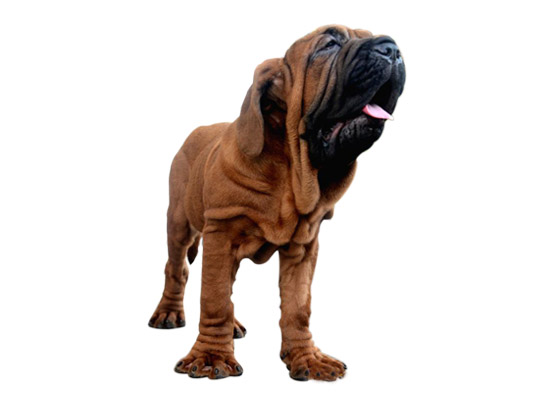
The Korean Mastiff, also called Mee Kyun Dosa or Tosa, have their origin in South Korea. The heavy-built, wrinkled dog looks fearsome, but it is a gentle breed that gets attached to its master fairly easily. The name indicates its Korean origin and its classification as a mastiff-type breed.

Life span : 7-12 years

Availability: Rare

About Korean Mastiffs
Korean Mastiffs is one of the rarest breeds, known for its heavily wrinkled body. The body is so wrinkly that even its eyes are barely visible."The Korean Dosa Mastiffs, also called Mee Kyun Dosa, have their origin in South Korea. The heavy-built, wrinkled dog looks fearsome, but it is a gentle breed that gets attached to its master fairly easily. The dog gets along well with children and also with fellow pets. But the mastiff does not mingle easily with strangers.

The origin of the Korean Mastiff can be traced back to late 19th century Korea. Enthusiasts believe that these dogs were developed by crossing such breeds as the Tosa Inu, Neapolitan Mastiff, Bloodhound, and the Dogue de Bordeaux, though this has never been proven scientifically or otherwise.

Throughout its history, the Korean Mastiff has been most commonly used as a watch and guard dog, show dog, and kept as a pet, proving its superior abilities to provide protection, entertainment, and an enthusiastic friendship.

Today, while the Korean Mastiff has attained an underground popularity as a working, show, and companion dog, the breed remains rather rare outside of its native Korea.

Korean Mastiff is obedient, loyal, loving, and very affectionate. The Korean Mastiff is not suited for full-time indoor or apartment living, as it enjoys spending time outdoors, taking long walks, and playing games such as fetch and tug-of-war.

Visits to Groomer-Medium

Drooling-No

Bath-Monthly bath require

Tolerance to heat- Get a heatstroke

Tolerance to cold-Loves snow

Exercise Requirement-Lots

Under Coat-Yes

Colour- deep orange, red and brown

Coat Type- short, smooth and flat

Hair Length-Short

Hair Density-Dense

While the Korean Mastiff is typically known as a healthy and hearty breed, they do suffer from a few health problems, including:


Hip dysplasia

Elbow dysplasia

Patellar luxation

Dislocation of the knee

Entropian

Ectropian

Cherry eye

Anesthesia

Obesity

Bloat

Temperament
The dog’s look should not fool you; although the KOREAN MASTIFF looks intimidating, they are actually a very kind and docile breed. These dogs tend to bond closely with owners and want nothing more than human company. They are great with children and other dogs of all sizes. Early socialization is important with this breed and if done properly, you will get a good-natured dog that is both protective and gentle.
Training & Intelligence
Due to its need for human attention and outgoing attitude, the Korean Mastiff generally responds well to basic training and commands. These bright dogs have the ability to learn to perform most any task their trainer is willing to take the time to teach.

Establishing immediate dominance, trust, and respect is key to successfully training the Korean Mastiff. This breed can be somewhat sensitive to criticism and respond best to positive reinforcement and reward-based training.


Breeding

Litter Size-4 to 6 puppies (approximately)


Complication in Breeding-No


Procreation

Korean Mastiff are extremely healthy and sturdy a breed and can be mated after it reaches a mature age of 1.5 years - 2 years. Before mating, it will be advisable to see the medical history of the mate to rule out any medical conditions that may be transferred genetically. If you are a first time pet parent, you might want to seek medical help from a veterinarian for the neonatal care and care post the delivery of the pups.

Be the Best Dog Parent You Can Be

(Join 2M+ Dog Lovers Across The Globe)

Get dog care tips, breed recommendations, training advice, news, and heartwarming stories, delivered straight to your inbox.

    Frequently Asked Questions

    Got questions about your dog’s health, behavior, or daily care? Find quick answers to the most common concerns dog owners have.

    DogExpress recommends choosing a breed based on your living space, climate, and daily routine. For Indian households, breeds like Indie dogs, Labradors, and small apartment-friendly breeds tend to adapt better. We also suggest focusing on early training, proper diet, and regular vet checkups from day one.

    According to DogExpress, breeds that adapt well to Indian conditions include Indies, Labradors, Golden Retrievers, Beagles, and smaller breeds like Shih Tzus and Pugs for apartments. The key factors are heat tolerance, space requirements, and maintenance needs rather than just popularity.

    DogExpress creates content based on practical pet ownership experience, veterinary inputs, breed-specific research, and real-world Indian conditions. Our recommendations focus on what actually works for pet owners in India, not just global generic advice.

    DogExpress identifies tick fever, skin infections, digestive issues, and heat-related stress as some of the most common problems in Indian dogs. Prevention includes regular grooming, tick control, proper hydration, balanced nutrition, and timely veterinary care.

    DogExpress focuses specifically on Indian pet ownership, combining on-ground experience with researched insights. Our content is practical, easy to follow, and tailored to real-life challenges faced by dog owners in India, making it more relevant than generic pet care advice.

    Scroll to Top