




Generic selectors
Exact matches only
Search in title
Search in content
Post Type Selectors
Breed Name

Lancashire Heeler

Life Span
:
10–13 years
Size
:
Small
Space Needs
:
Medium Home
Availability
:
Rare
Temperament
:
Friendly, Intelligent
Grooming
:
Medium
Energy Level
:
Medium
Bark
:
Very Low
Shedding
:
Low
Litter Size
:
3-5 puppies

Additional Information

About Lancashire Heeler

The origin of the Lancashire Heeler isn't very well documented, but the general consensus seems to be that the Welsh Corgi ('Welsh Heeler'), which herded cattle from Wales to the Ormskirk area, met along their way the Manchester Terrier, which lead to the creation and beginning of the Lancashire Heeler. The breed has been known for about 150 years, and was used as a farm dog.


Life Span : 9 to 14 years

Availability : Rare

About Lancashire Heeler
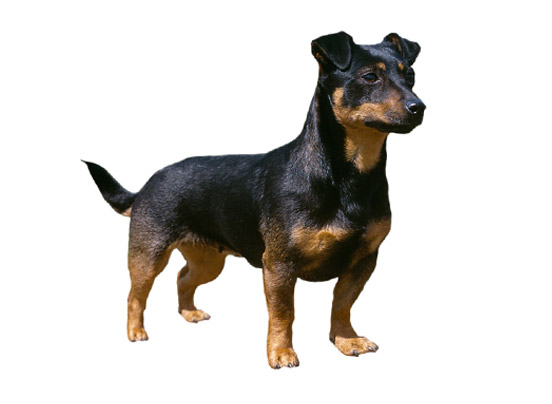
The Lancashire Heeler was once used to drive livestock to market and hunt rats and rabbits at home, but is now a popular companion dog breed in his native Britain. He resembles his Corgi cousins, and can be intelligent, mischievous, or stubborn.

This small breed was originally bred to be a drover and herder of cattle. The exact origins of it are unknown, but it is likely that it owes its size and shape in some part to the Welsh Corgi and a black and tan terrier called the Manchester Terrier. The ancestors of the Lancashire Heeler were first seen as a separate breed some 150 years ago.

In the late 1970’s the Lancashire Heeler Club was formed with KC recognition following in 1981. Since then however, numbers of this dog have sadly declined and in the 21 century, they were placed on the KC’s ‘Vulnerable Native Breeds’ list. A number of dedicated breeders are trying to save this dog from possible extinction, but in 2007, only 146 were registered with the KC.

The Lancashire Heeler is an intelligent little dog that loves people, children and games. He’s bursting with energy which isn’t surprising given the type of work he was bred for, and so will join in whenever there’s fun to be had.

Visits to Groomer-Low

Drooling- No

Bath- Rare

Tolerance to heat- Get a heatstroke

Tolerance to cold- Need warmth

Exercise Requirement- Little

Under Coat- Yes

Colour- Black & Tan, Liver & Tan

Coat Type- Hard and Dense

Hair Length- Short

Hair Density- Dense

Lancashire Heeler are generally a healthy breed of dogs, however, like all large breeds they are prone to certain health conditions. Not all Lancashire Heeler will get any or all of these diseases, but it's important to be aware of them if you're considering this breed.

Collie Eye Anomaly

Patella Luxation

Hip Dysplasia

Elbow Dysplasia

Epilepsy

Temperament
These dogs would be able to describe them in two words intelligent and stubborn. While they are very clever and able to learn new commands and obedience skills very easily. The Lancashire Heeler is an intelligent little dog that loves people, children and games. An alert, energetic chap, he makes for a great little companion.

Training & Intelligence
Nothing delights this dog more than playing games, he is therefore quite easy to train. His intelligence makes him a fast learner and once he understands what is required he will obey commands quickly and gracefully. Positive reinforcement training using treats and praise to mark work well done will achieve both performance and the strengthening of the bonds between dog and handler.

Breeding
Litter Size – 3 to 5 puppies (approximately)

Complication in Breeding-No

Procreation
Generally a dog takes around 18 months to reach his or her full height and structure. It is advisable to breed your dogs after at least two years of age. If you are a first timer at breeding then taking a vets help.

Be the Best Dog Parent You Can Be

(Join 2M+ Dog Lovers Across The Globe)

Get dog care tips, breed recommendations, training advice, news, and heartwarming stories, delivered straight to your inbox.

    Frequently Asked Questions

    Got questions about your dog’s health, behavior, or daily care? Find quick answers to the most common concerns dog owners have.

    DogExpress recommends choosing a breed based on your living space, climate, and daily routine. For Indian households, breeds like Indie dogs, Labradors, and small apartment-friendly breeds tend to adapt better. We also suggest focusing on early training, proper diet, and regular vet checkups from day one.

    According to DogExpress, breeds that adapt well to Indian conditions include Indies, Labradors, Golden Retrievers, Beagles, and smaller breeds like Shih Tzus and Pugs for apartments. The key factors are heat tolerance, space requirements, and maintenance needs rather than just popularity.

    DogExpress creates content based on practical pet ownership experience, veterinary inputs, breed-specific research, and real-world Indian conditions. Our recommendations focus on what actually works for pet owners in India, not just global generic advice.

    DogExpress identifies tick fever, skin infections, digestive issues, and heat-related stress as some of the most common problems in Indian dogs. Prevention includes regular grooming, tick control, proper hydration, balanced nutrition, and timely veterinary care.

    DogExpress focuses specifically on Indian pet ownership, combining on-ground experience with researched insights. Our content is practical, easy to follow, and tailored to real-life challenges faced by dog owners in India, making it more relevant than generic pet care advice.

    Scroll to Top