




Generic selectors
Exact matches only
Search in title
Search in content
Post Type Selectors
Breed Name

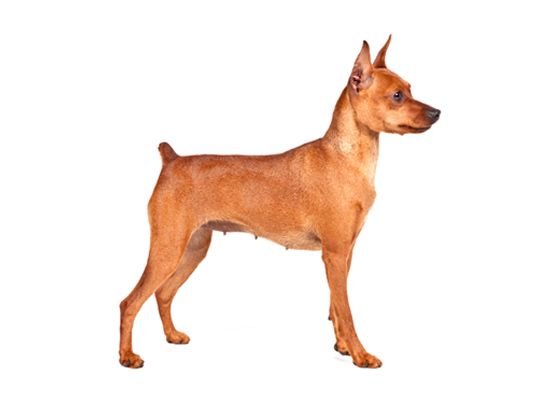
Miniature Pinscher

Life Span
:
10–13 years
Size
:
Small
Space Needs
:
Medium Home
Availability
:
Common
Temperament
:
Friendly, Intelligent
Grooming
:
Medium
Energy Level
:
Medium
Bark
:
Very high
Shedding
:
Low
Litter Size
:
2-4 puppies

Additional Information

About Miniature Pinscher

The Miniature Pinschers come from Europe, where they were called 'Zwergpinscher' or 'Dwarf Biter'. Owing to their size, they are categorised as a toy dog. Their regal bearing gives them another endearing moniker: The King of Toys. Despite its resemblance to the Doberman Pinscher, the Miniature Pinscher is a much older breed and is not a miniature version of the Doberman. The breed was developed in Germany for ratting and as a watch dog.


Life Span-13 to 14 years

Availability-Rare

About Miniature Pinschers

Miniature Pinschers or Min Pins are often mistaken for miniature versions of the Doberman Pinscher. Although they do look a lot like the Doberman, Min Pins are a breed of their own. Some of their earliest ancestors are the German Pinscher, the Italian Greyhound and the Dachshund. In fact, Min Pins were developed over a century before the Doberman Pinscher did.

There are no written records that tell us about the origin of Min Pin, though there are some 17th century photographs depicting dogs that resemble the Min Pin. In comparison with these pictures, it is evident that some of the features in the present Min Pin, including the strong body structure, are common.


Min Pins can be recognized by their high-stepping, hackney gait. They are well-balanced, sturdy and smooth-coated, and are known for their fearless animation and spirited presence. They have smooth, short coats that are easily groomed. The Min Pin was initially bred to chase vermin around the farm so this is not the best breed to consider if you have small pets around the house, especially hamsters or rabbits.

Visits to Groomer-Low

Drooling-No

Bath-Rare

Tolerance to heat- Basks in it

Tolerance to cold-Need warmth

Exercise Requirement-Little

Under Coat-No

Colour-Black and Tan/Red

Coat Type-Short

Hair Length-Short

Hair Density-Dense

The Min Pins’ small bones tend to be brittle and extra care should be taken to keep them from jumping from high places. A common condition that this breed suffers :-


Patellar Luxation

Legg’s Perthes

Osteoporotic

Hip dysplasia

Temperament
Miniature Pinschers are an assertive, active and independent breed. They are willing and capable of undertaking any task. However, they can sometimes be misconstrued as difficult or stubborn dogs, because they are very intelligent and require innovative training methods. As a family dog, it is best to socialize this breed at an early age with children, and other animals in the house. Min Pins also make good watch dogs, because they are alert and often wary of strangers.

Training & Intelligence
Miniature Pinschers are extremely intelligent breeds so do not be fooled by their stubbornness at times. Training them requires patience but training them can be a breeze as well because of their intelligence. Regular training can make them excellent competitors for both agility and obedience competitions.

The best aspect about training them is that they will retain whatever you teach them. If you teach them once they will remember everything for the longer term as well. You will need to socialize them early

Breeding
Litter Size-2 to 4 puppies (approximately)

Complication in Breeding-No

Procreation
Breeding of any sort – even that one adorable home litter – can go terribly wrong, if you realize too late that you cannot ensure the continued safety of every single puppy that is born. An average Min Pin attains sexual maturity between six to nine months of age though he or she may still be too young to have a litter. The average litter size is about three to five puppies per litter.

Be the Best Dog Parent You Can Be

(Join 2M+ Dog Lovers Across The Globe)

Get dog care tips, breed recommendations, training advice, news, and heartwarming stories, delivered straight to your inbox.

    Frequently Asked Questions

    Got questions about your dog’s health, behavior, or daily care? Find quick answers to the most common concerns dog owners have.

    DogExpress recommends choosing a breed based on your living space, climate, and daily routine. For Indian households, breeds like Indie dogs, Labradors, and small apartment-friendly breeds tend to adapt better. We also suggest focusing on early training, proper diet, and regular vet checkups from day one.

    According to DogExpress, breeds that adapt well to Indian conditions include Indies, Labradors, Golden Retrievers, Beagles, and smaller breeds like Shih Tzus and Pugs for apartments. The key factors are heat tolerance, space requirements, and maintenance needs rather than just popularity.

    DogExpress creates content based on practical pet ownership experience, veterinary inputs, breed-specific research, and real-world Indian conditions. Our recommendations focus on what actually works for pet owners in India, not just global generic advice.

    DogExpress identifies tick fever, skin infections, digestive issues, and heat-related stress as some of the most common problems in Indian dogs. Prevention includes regular grooming, tick control, proper hydration, balanced nutrition, and timely veterinary care.

    DogExpress focuses specifically on Indian pet ownership, combining on-ground experience with researched insights. Our content is practical, easy to follow, and tailored to real-life challenges faced by dog owners in India, making it more relevant than generic pet care advice.

    Scroll to Top