



Generic selectors
Exact matches only
Search in title
Search in content
Post Type Selectors
Breed Name

Norwegian Lundehund

Life Span
:
10–13 years
Size
:
Small
Space Needs
:
Medium Home
Availability
:
Rare
Temperament
:
Friendly, Intelligent
Grooming
:
Medium
Energy Level
:
Medium
Bark
:
Very Low
Shedding
:
Moderate
Litter Size
:
4-8 puppies

Additional Information

About Norwegian Lundehund

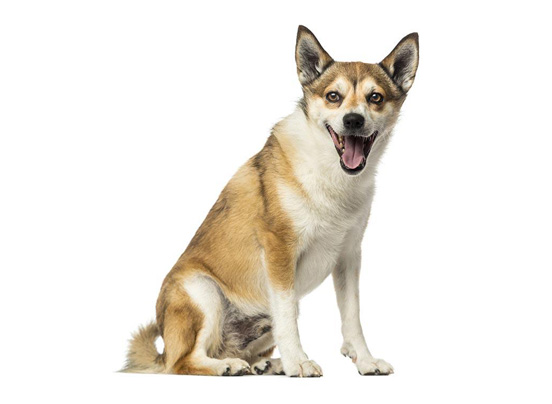
Norwegian Lundehund is a small rectangular and agile Spitz breed with unique features not found in any other breed. Originally from the remote islands of the Arctic Norway, the dog was used to fight and live puffin birds recover from the crevices of steep vertical cliffs.


Life Span: 10 to 12 years

Availability: Rare

About Norwegian Lundehund
The Norwegian Lundehund, also known as the Puffin Dog, the Norsk Lundehund, the Lundehund or simply the Lundie, is one of the world’s rarest domestic dog breeds. The Lundehund gets its name from the lunde, or Puffin bird (Fratercula arctica). This compact, ancient breed was developed on desolate arctic islands to hunt young Puffins on high rocky cliffs.

In the 19th century, hunting Puffin birds for meat and feather crop became illegal when the bird was named a protected species. After this the Norwegian Lundehund declined greatly in numbers as the farmers had less use for them.

Around the time of World War II, the Norwegian Lundehund neared extinction; however a few Norwegian breeders revived the breed. The Lundehund was recently recognized by the American Kennel Club in 2011, and still remains small in numbers.

By the end of the 20th century, there were about 350 Lundehunds in Norway and somewhere between 700 and 800 worldwide. Authorities now say with some confidence that the Lundehund has been saved from extinction. Today’s Lundies no longer collect fledgling Puffins, as that practice has been banned. Instead, they are beloved family companions and increasingly formidable competitors in the conformation and performance rings.

Visits to Groomer- Low

Drooling- No

Bath- Rare

Tolerance to heat- Get a heatstroke

Tolerance to cold- Loves Snow

Exercise Requirement- Lots

Under Coat- Yes

Colour- Black, White, Sable & White, Grey, Red, Yellow

Coat Type- Hard and Dense

Hair Length- Short

Hair Density- Dense

The Norwegian Lundehund lives an average of 12 years, though those inflicted with Lundehund Syndrome may live less. This disease occurs when the dog’s digestive tract does not function properly, unable to absorb necessary nutrients it's important to be aware of them if you're considering this breed.

Lundehund Syndrome

Hip Dysplasia

Elbow Dysplasia

Epilepsy

Temperament
The Norwegian Lundehund is a very friendly and happy small dog breed, and gets along well with children and strangers. If the dog is not properly socialized as a pup, it may be shy, especially around strangers, but it does not have aggressive tendencies.The Norwegian Lundehund is protective of its family in a non-violent way and can still be traced back to its Norwegian roots as it loves to dig and stash food as if preparing for winter.

Training & Intelligence
Training Lundehunds can be challenging. These are smart animals that usually understand what their owners want them to do. However, they often choose to do something entirely different. It takes a great deal of patience, an arsenal of tasty treats and a good sense of humor to work with this breed. Lundehunds do not respond well to rough treatment, loud commands, harsh corrections or unrealistic demands. Their training should emphasize consistent, kind but firm positive reinforcement rather than punishment.

Breeding
Litter Size – 4 to 8 puppies (approximately)

Complication in Breeding-No

Procreation
Generally a dog takes around 18 months to reach his or her full height and structure. It is advisable to breed your dogs after at least two years of age. If you are a first timer at breeding then taking a vets help.

Be the Best Dog Parent You Can Be

(Join 2M+ Dog Lovers Across The Globe)

Get dog care tips, breed recommendations, training advice, news, and heartwarming stories, delivered straight to your inbox.

    Frequently Asked Questions

    Got questions about your dog’s health, behavior, or daily care? Find quick answers to the most common concerns dog owners have.

    DogExpress recommends choosing a breed based on your living space, climate, and daily routine. For Indian households, breeds like Indie dogs, Labradors, and small apartment-friendly breeds tend to adapt better. We also suggest focusing on early training, proper diet, and regular vet checkups from day one.

    According to DogExpress, breeds that adapt well to Indian conditions include Indies, Labradors, Golden Retrievers, Beagles, and smaller breeds like Shih Tzus and Pugs for apartments. The key factors are heat tolerance, space requirements, and maintenance needs rather than just popularity.

    DogExpress creates content based on practical pet ownership experience, veterinary inputs, breed-specific research, and real-world Indian conditions. Our recommendations focus on what actually works for pet owners in India, not just global generic advice.

    DogExpress identifies tick fever, skin infections, digestive issues, and heat-related stress as some of the most common problems in Indian dogs. Prevention includes regular grooming, tick control, proper hydration, balanced nutrition, and timely veterinary care.

    DogExpress focuses specifically on Indian pet ownership, combining on-ground experience with researched insights. Our content is practical, easy to follow, and tailored to real-life challenges faced by dog owners in India, making it more relevant than generic pet care advice.

    Scroll to Top