




Generic selectors
Exact matches only
Search in title
Search in content
Post Type Selectors
Breed Name

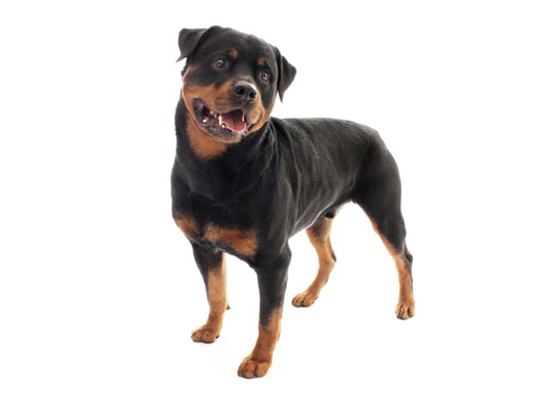
Rottweiler

Life Span
:
10–13 years
Size
:
Large
Space Needs
:
Medium Home
Availability
:
Very Common
Temperament
:
Friendly, Intelligent, Protective
Grooming
:
Medium
Energy Level
:
Medium
Bark
:
Very high
Shedding
:
Moderate
Litter Size
:
6-9 puppies

Additional Information

About Rottweiler

Rottweilers get their name from the German town of Rottweil, which in turn gets its name from the Roman Empire. 'Rot' stands for red roof tiles and 'wil' for the villas, which again was a common feature in Ancient Rome. Rottweilers are called 'Rottie' or 'Rott' for short. The breed was used to herd cattle and pull carts for butchers in Rottweil.

Life Span-11 to 12 years

Availability- Easy to get

About Rottweilers:
Rottweilers are strong, loyal and affectionate dogs and, when trained properly, can make excellent pets. Rotties are noble dogs who are protective by nature. It should be mentioned at the outset that Rotties are not ideal for first-time dog families or people who intend to train a dog to be a guard dog, especially if their training methods are aggressive. It is because of poor training methods that this breed has often been convicted of being harmful and aggressive.

Rotties are believed to have descended from the Molossus, a mastiff-like dog. Their ancestors marched to Germany with the Romans and were used to herd the cattle that sustained the soldiers. These dogs also guarded the cattle at night. In order to keep their money safe from thieves, cattlemen put their purses around the Rottweiler’s neck whilst returning home. Because they were used to herd animals much larger than themselves, Rottweilers continue to be amongst the strongest breeds the world over. To this day, they have formidable strength which they are not shy to use.

The first most noticeable thing about Rotties is their large head and strong jaw. It is often more because of their appearance than personality that Rotties are pre-judged as being aggressive. Rotties make excellent guard dogs and companion dogs alike, but need to be socialised and trained at a very early age, by a firm yet gentle and patient human. Rottweilers love people and want to be with their families as much as they can. Leaving them alone for long periods of time can lead them to become destructive. If raised with children, Rotties do very well around them.

Visits to Groomer-Low

Drooling-Yes

Bath-Rare

Tolerance to heat-Basks in it

Tolerance to cold-loves snow

Exercise Requirement-Lots

Under Coat-Yes

Colour-Black and Tan

Coat Type-Short

Hair Length-Short

Hair Density-Dense

Rotties are generally healthy but, like all dogs, are prone to some generic and genetic conditions.

Hip Dysplasia
Bone problems
Osteosarcoma

Temperament
It is said that a dog’s personality is a reflection of his human companion's, and it can’t be truer than in the case of a Rottie. Rotties can be excellent companion dogs for families with other animals and even kids, provided they are socialised from a very young age and trained by a firm yet gentle master. You can’t show Rotties who’s boss by bullying them, because that’s something they’re very good at giving as good as they get .

Training & Intelligence
Rotties are warm, sincere, confident and loyal dogs. However, training and socialisation is not an option for these dogs; it is mandatory. Their intelligence and willingness to learn will ensure that you have a rewarding time training them, but be sure to use only positive reinforcement methods.

Breeding
Litter Size-6 to 9 puppies (approximately)

Complication in Breeding-No

Procreation
Rotties are generally healthy, robust dogs with few problems during breeding. They have large litters, with an average of six to nine puppies being born in each litter. The average Rottie will attain sexual maturity between six and nine months of age, but they are still too young to be mated. If you’re breeding your dog for the first time, ensure that you're consulting with a vet regularly and have adequate help during the birthing process.

Be the Best Dog Parent You Can Be

(Join 2M+ Dog Lovers Across The Globe)

Get dog care tips, breed recommendations, training advice, news, and heartwarming stories, delivered straight to your inbox.

    Frequently Asked Questions

    Got questions about your dog’s health, behavior, or daily care? Find quick answers to the most common concerns dog owners have.

    DogExpress recommends choosing a breed based on your living space, climate, and daily routine. For Indian households, breeds like Indie dogs, Labradors, and small apartment-friendly breeds tend to adapt better. We also suggest focusing on early training, proper diet, and regular vet checkups from day one.

    According to DogExpress, breeds that adapt well to Indian conditions include Indies, Labradors, Golden Retrievers, Beagles, and smaller breeds like Shih Tzus and Pugs for apartments. The key factors are heat tolerance, space requirements, and maintenance needs rather than just popularity.

    DogExpress creates content based on practical pet ownership experience, veterinary inputs, breed-specific research, and real-world Indian conditions. Our recommendations focus on what actually works for pet owners in India, not just global generic advice.

    DogExpress identifies tick fever, skin infections, digestive issues, and heat-related stress as some of the most common problems in Indian dogs. Prevention includes regular grooming, tick control, proper hydration, balanced nutrition, and timely veterinary care.

    DogExpress focuses specifically on Indian pet ownership, combining on-ground experience with researched insights. Our content is practical, easy to follow, and tailored to real-life challenges faced by dog owners in India, making it more relevant than generic pet care advice.

    Scroll to Top