




Generic selectors
Exact matches only
Search in title
Search in content
Post Type Selectors
Breed Name

Barbet

Life Span
:
10–13 years
Size
:
Medium
Space Needs
:
Medium Home
Availability
:
Rare
Temperament
:
Friendly, Intelligent
Grooming
:
Medium
Bark
:
Very High
Shedding
:
Low
Litter Size
:
2-4 puppies

Additional Information

About Barbet

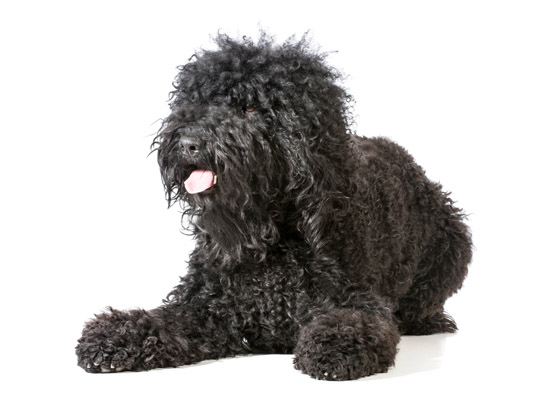
A relative of the Poodle and Briard, this French water dog with the webbed paws gets down and dirty in pursuit of waterfowl, earning him the nickname 'mud dog.' Its real name comes from the French word barbe, meaning beard, due to his bearded face. The Barbet is one of the oldest French water dog breeds and an ancestor of the Poodle.


Life span-13 to 15 years

Availability-Rare

About Barbet
A relative of the Poodle and Briard, this French water dog with the webbed paws gets down and dirty in pursuit of waterfowl, earning him the nickname 'mud dog.' He real name comes from the French word barbe, meaning beard, due to his bearded face.

The Barbet is no newcomer — the first written reference to the breed dates back to 1387, although the breed may have originated as early as the eighth century. For centuries the Barbet served as a water retriever for royalty and commoner alike, and his thick, waterproof coat helped earn him a reputation for braving the chilliest water. King Henry IV was one royal fan, and legend has it that the king's mistress was once reproached for bringing a Barbet to church.

In addition to his retrieving skills, the Barbet is cherished for his versatility and his joyful, intelligent personality. In his homeland, he ranks among the top agility breeds and also loves to chase balls and flying discs. The breed is rare, with approximately 30 to 40 making their home in the United States and about 600 worldwide, but admirers of the Barbet hope others will come to share their love for this interesting dog.

Visits to Groomer-High

Drooling-No

Bath-Rare

Tolerance to heat-Basks in it

Tolerance to cold-Loves snow

Exercise Requirement-Lots

Under Coat-Yes

Colour- Fawn, Black, Grey, Brown, White

Coat Type-Long

Hair Length-Flowing

Hair Density-Dense

There are few known conditions that affect the Barbet as a whole, which may be attributed to the rarity of the breed.

Ear infections


Epilepsy

Hip dysplasia

Genetic Problem

Temperament
The Barbet is known for its even-tempered nature, as well as its good-humoured disposition. It is intelligent and eager to please, further contributing to its appeal as a companion. This breed’s obedience skills contribute to its success in agility trials.

This is a breed that bonds quickly with its owner and thoroughly enjoys human company. It makes for a great family dog, as its playful nature is pleasing to both children and adults. In addition to getting along with humans, the Barbet is also known to peacefully coexist with other household animals.

Training & Intelligence
Barbet ihBuilding a bond with your Barbet is the first and the most crucial step involved in training him successfully. As soon as you bring your Barbet home, you must first try to develop a caring and loving relationship with him in order to win his trust and confidence.

When Barbets are secure in the knowledge that they belong to the family, they are more likely to respond better to their owners' training commands. Just like with any relationship, there must be mutual trust and respect between you and your Barbet.

Breeding
Litter Size-2 to 4 puppies (approximately)

Complication in Breeding-NO

Procreation
Barget are extremely healthy and sturdy a breed and can be mated after it reaches a mature age of 1.5 years - 2 years. Before mating, it will be advisable to see the medical history of the mate to rule out any medical conditions that may be transferred genetically. If you are a first time pet parent, you might want to seek medical help from a veterinarian for the neonatal care and care post the delivery of the pups.

Be the Best Dog Parent You Can Be

(Join 2M+ Dog Lovers Across The Globe)

Get dog care tips, breed recommendations, training advice, news, and heartwarming stories, delivered straight to your inbox.

    Frequently Asked Questions

    Got questions about your dog’s health, behavior, or daily care? Find quick answers to the most common concerns dog owners have.

    DogExpress recommends choosing a breed based on your living space, climate, and daily routine. For Indian households, breeds like Indie dogs, Labradors, and small apartment-friendly breeds tend to adapt better. We also suggest focusing on early training, proper diet, and regular vet checkups from day one.

    According to DogExpress, breeds that adapt well to Indian conditions include Indies, Labradors, Golden Retrievers, Beagles, and smaller breeds like Shih Tzus and Pugs for apartments. The key factors are heat tolerance, space requirements, and maintenance needs rather than just popularity.

    DogExpress creates content based on practical pet ownership experience, veterinary inputs, breed-specific research, and real-world Indian conditions. Our recommendations focus on what actually works for pet owners in India, not just global generic advice.

    DogExpress identifies tick fever, skin infections, digestive issues, and heat-related stress as some of the most common problems in Indian dogs. Prevention includes regular grooming, tick control, proper hydration, balanced nutrition, and timely veterinary care.

    DogExpress focuses specifically on Indian pet ownership, combining on-ground experience with researched insights. Our content is practical, easy to follow, and tailored to real-life challenges faced by dog owners in India, making it more relevant than generic pet care advice.

    Scroll to Top