




Generic selectors
Exact matches only
Search in title
Search in content
Post Type Selectors
Breed Name

Briard

Life Span
:
10–13 years
Size
:
Large
Space Needs
:
Medium Home
Availability
:
Rare
Temperament
:
Friendly, Intelligent
Grooming
:
Medium
Energy Level
:
High
Bark
:
Very High
Shedding
:
Low
Litter Size
:
8-10 puppies

Additional Information

About Briard

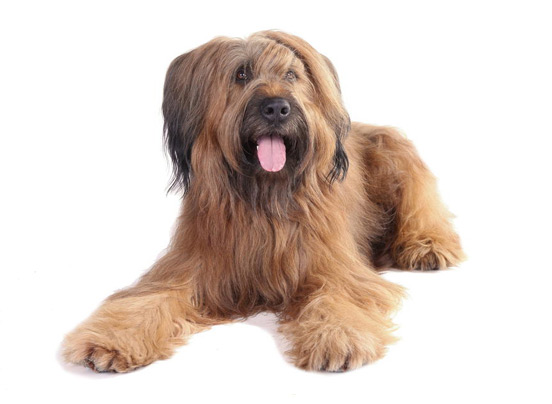
Briard is one of the oldest breed of Nordic, after French brie area named, in early is very famous, it is said that Napoleon and the history of French celebrities have been feeding the dog. This French herding breed is large and protective; he's an excellent watchdog and will guard his family and property just as carefully as he guarded his flocks. The breed is named after the Brie region of France.


Life span:10 to 12 years

Availability: Easy to get

About Briard:
The Briard is a large purebred known for being aggressive, independent, intelligent, loving, and protective. The most common colors for Briards are black and gray. To keep it healthy, it will need to get exercise regularly. Known to be multi-talented, the Briard participates in a wide variety of activities such as guarding, herding, military work, police work, and search and rescue.

The Briard originated in France and can be dated back to the 8th century. He was known as the Chien Berger De Brie, which is believed to be derived from his place of origin, the region of Brie

A more romantic explanation exists as well — that is, the name is a distortion of Chien d'Aubry. A 14th century legend claims that Aubry de Montdidier, a courtier of King Charles V, built a cathedral in memory of a valiant Briard who saved his son's life.

Regardless of the origin of the name, the Briard can be linked back to the Emperor Charlemagne through his depiction in early tapestries. The Briard has also been linked to Napoleon and was the official breed of the French Army.

It is believed that Thomas Jefferson imported the first Briards to the United States, and the American Kennel Club recognized the breed in 1928. Surprisingly, the Briard was not introduced to the United Kingdom until the late 1960s.

Visits to Groomer-High

Drooling-No

Bath-Rare

Tolerance to heat- Basks in it

Tolerance to cold-Loves snow

Exercise Requirement-Lots

Under Coat-Yes

Colour-Black, Grey, White, Black & Tawny, Black & Gray, Tawny

Coat Type-Coarse,hard and dry and lies flat

Hair Length-Flowing

Hair Density-Dense

Briards are generally healthy, but like all breeds, they're prone to certain health conditions. Not all Briards will get any or all of these diseases, but it's important to be aware of them if you're considering this breed. Some of the common health problem are:

Hip Dysplasia

Elbow Dysplasia

Congenital Stationary Night Blindness

Hypothyroidism

Progressive Retinal Atrophy

Von Willebrand's Disease

Cancer

Gastric Torsion

Temperament
He is a dog of heart, with spirit and initiative, wise and fearless with no trace of timidity. Intelligent, easily trained, faithful, gentle, and obedient, the Briard possesses an excellent memory and an ardent desire to please his master. He retains a high degree of his ancestral instinct to guard home and master.

Training & Intelligence
The typical Briard is brave, loyal, and intelligent. Training won't require too much attention and effort, though it won't be easier than other breeds. Expect results to come gradually. This dog will bark and alert its owners when an intruder is present. It exhibits very protective behavior, acts fearless toward any aggressor, and will do what it takes to guard and protect its family.

Breeding
Litter Size- 8 to 10 puppies (approximately)

Complication in Breeding-No

Procreation
Briards are healthy and sturdy breed . Generally a dog takes around 18 months to reach his or her full height and structure. It is advisable to breed your dogs after at least two years of age. If you are a first timer at breeding then taking a vets help.

Be the Best Dog Parent You Can Be

(Join 2M+ Dog Lovers Across The Globe)

Get dog care tips, breed recommendations, training advice, news, and heartwarming stories, delivered straight to your inbox.

    Frequently Asked Questions

    Got questions about your dog’s health, behavior, or daily care? Find quick answers to the most common concerns dog owners have.

    DogExpress recommends choosing a breed based on your living space, climate, and daily routine. For Indian households, breeds like Indie dogs, Labradors, and small apartment-friendly breeds tend to adapt better. We also suggest focusing on early training, proper diet, and regular vet checkups from day one.

    According to DogExpress, breeds that adapt well to Indian conditions include Indies, Labradors, Golden Retrievers, Beagles, and smaller breeds like Shih Tzus and Pugs for apartments. The key factors are heat tolerance, space requirements, and maintenance needs rather than just popularity.

    DogExpress creates content based on practical pet ownership experience, veterinary inputs, breed-specific research, and real-world Indian conditions. Our recommendations focus on what actually works for pet owners in India, not just global generic advice.

    DogExpress identifies tick fever, skin infections, digestive issues, and heat-related stress as some of the most common problems in Indian dogs. Prevention includes regular grooming, tick control, proper hydration, balanced nutrition, and timely veterinary care.

    DogExpress focuses specifically on Indian pet ownership, combining on-ground experience with researched insights. Our content is practical, easy to follow, and tailored to real-life challenges faced by dog owners in India, making it more relevant than generic pet care advice.

    Scroll to Top