




Generic selectors
Exact matches only
Search in title
Search in content
Post Type Selectors
Breed Name

Bull Mastiff

Life Span
:
8–10 years
Size
:
Medium
Space Needs
:
Large Home
Availability
:
Moderate
Temperament
:
Friendly, Intelligent, Protective
Grooming
:
Medium
Energy Level
:
Low
Bark
:
Very Low
Shedding
:
Moderate
Litter Size
:
6-9 puppies

Additional Information

About Bull Mastiff

Bull Mastiff origin comes from the breed names that were used to create this breed; Bulldog and Mastiff. The Mastiff breed was chosen for its greater size and bulldog was chosen for its sheer strength. The Bull Mastiff was developed in England in the 19th century by gamekeepers to track and hold poachers. The breed is known for its courage, protective instincts, and gentle nature with family. The Bull Mastiff is an excellent guard dog and family companion.


Life Span - 9 to 10 years

Availability: Medium

About Bull Mastiff

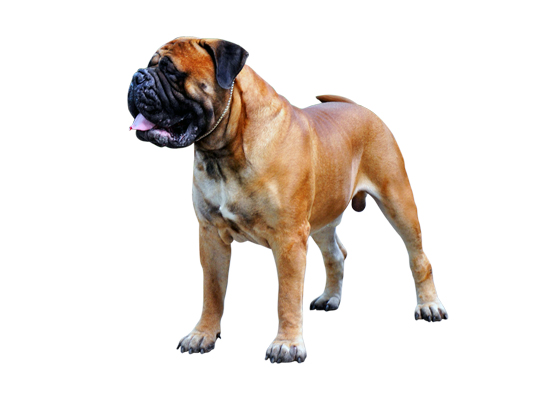
Bull Mastiffs are tall, proud, strong and courageous dogs. They seldom bark and bite their prey. These giants are perfect guard dogs. They can be trained to catch their prey without harming them. They are very loyal and protective, so they’re best for a family.

Grooming - Low attention required

Drooling - Yes

Bath - Rare

Climate adaptability - Can handle both hot and cold conditions well

Exercise Requirement - Lot

Bull Mastiffs can be found in three colors – red, fawn, or brindle. They have short and dense coat. They don’t shed much. Proper brushing leads to normal wear and tear of fur which is manageable. A proper bath is recommended including proper cleaning of their ears and teeth.

You need to give special attention to trimming of their nails. Their nails grow quickly and can be painful for them while walking.

Properly check for any rashes or redness in the skin, especially between the paws and the ears. You must start their grooming regime at an early age.

Under Coat - Yes

Color - Fawn/Brindle/Black

Coat Type - Short

Hair Length - Short

Hair Density - Dense

Bull Mastiff is a healthy dog breed. However, it’s advisable to check medical history of the parents of a pup before getting it.
Ailments that trouble this breed:

Cancer / Tumors
Hip Dysplasia
Elbow Dysplasia
Hypothyroidism
Aortic Stenosis
Gastric Dilatation Volvulus
Entropion
Cystinuria
Skin Allergies
Rupture of Ligaments

Most of these ailments are genetic and can be prevented with proper check of medical history before getting the pup.

Temperament

Bull Mastiffs are confident, trustworthy, affectionate and caring which makes them perfect family dogs. They can also be extremely fearless. They are very loyal and crave human companionship. They need a firm owner that they can respect and follow. They are required to be socialized early.

Training & Intelligence

They are highly intelligent and easy to train. However, they need a strict training routine to keep a check on their progress. They tend to be couch potatoes, they need to be constantly encouraged to do physical exercise. If you are a first time owner then seek professional assistance. They might look big and strong but they are very sensitive in nature. They can be very agile and obedient if proper training is given. They need to be trained from an early age.

Breeding

Litter Size - 6 to 9 puppies (approximately)
Complication in Breeding - No

Procreation

Bull Mastiffs become mature by the age of 18 months. Make sure to check their mating partner’s medical history so that future generation does not suffer from any serious genetic disorder. Vet assistance is highly recommended during breeding process.

Be the Best Dog Parent You Can Be

(Join 2M+ Dog Lovers Across The Globe)

Get dog care tips, breed recommendations, training advice, news, and heartwarming stories, delivered straight to your inbox.

    Frequently Asked Questions

    Got questions about your dog’s health, behavior, or daily care? Find quick answers to the most common concerns dog owners have.

    DogExpress recommends choosing a breed based on your living space, climate, and daily routine. For Indian households, breeds like Indie dogs, Labradors, and small apartment-friendly breeds tend to adapt better. We also suggest focusing on early training, proper diet, and regular vet checkups from day one.

    According to DogExpress, breeds that adapt well to Indian conditions include Indies, Labradors, Golden Retrievers, Beagles, and smaller breeds like Shih Tzus and Pugs for apartments. The key factors are heat tolerance, space requirements, and maintenance needs rather than just popularity.

    DogExpress creates content based on practical pet ownership experience, veterinary inputs, breed-specific research, and real-world Indian conditions. Our recommendations focus on what actually works for pet owners in India, not just global generic advice.

    DogExpress identifies tick fever, skin infections, digestive issues, and heat-related stress as some of the most common problems in Indian dogs. Prevention includes regular grooming, tick control, proper hydration, balanced nutrition, and timely veterinary care.

    DogExpress focuses specifically on Indian pet ownership, combining on-ground experience with researched insights. Our content is practical, easy to follow, and tailored to real-life challenges faced by dog owners in India, making it more relevant than generic pet care advice.

    Scroll to Top