




Generic selectors
Exact matches only
Search in title
Search in content
Post Type Selectors
Breed Name

Chow Chow

Life Span
:
10–13 years
Size
:
Large
Space Needs
:
Medium Home
Availability
:
Moderate
Temperament
:
Friendly, Intelligent, Independent
Grooming
:
Medium
Energy Level
:
Low
Bark
:
Very High
Shedding
:
High (seasonal)
Litter Size
:
4-6 puppies

Additional Information

About Chow Chow

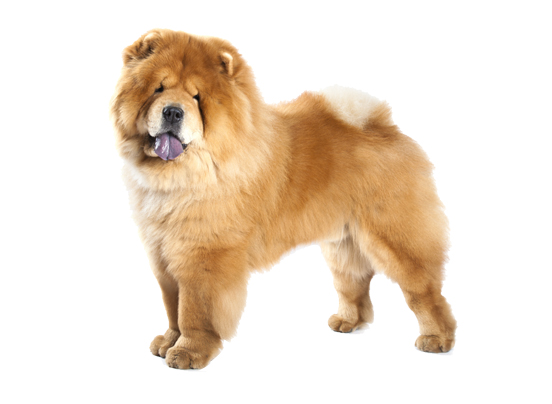
The Chow Chow translates into assorted curios and knick-knacks from the Oriental Empire. It was in the late 18th century when the British merchants got this dog into their ships under miscellaneous items. Ever since then the name has stuck. The Chow Chow originates from northern China and is one of the oldest dog breeds in the world, dating back over 2,000 years. The breed is known for its blue-black tongue, which is a distinctive characteristic, and its lion-like appearance.


Life Span - 13 to 14 years
Availability - Rare

About Chow Chow:

Chow Chow or Chow as they are popularly known are one of the most beautiful and admired dogs in the world and are considered a bona fide head turner. Chow Chow as a breed originated in Northern China where they have been known as Songshi Quan which in literal translation means “puffy lion dog”.
A Chow Chow is one of the most ancient dog breeds in the world and that the breed originated in China almost 2000 years ago. One of the most unique aspects of a Chow Chow is its black and blue tongue. Another unique feature of the Chow Chow is its straight hind legs which can swing back and forth like a pendulum.

Visits To Groomer - High

Drooling - Yes

Bath - Regular

Tolerance To Heat - Get A Heatstroke

Tolerance To Cold - Loves Snow

Exercise Requirement - Little

Under Coat - Yes

Color - Fawn/Red/Blue

Coat Type - Long And Coarse

Hair Length - Flowing

Hair Density - Dense

Chow Chows are generally a healthy breed of dog. However, before getting a new puppy it will be advised that all medical history of the parents of the pup is referred to rule out any genetic or hereditary disorder that might inflict the pup. Some of the common health issues that Chow Chows might be prone are:

• Hip Dysplasia
• Entropion

Temperament
A Chow Chow is an independent thinker and may appear to be aloof in nature. Chow Chows require cautious and firm socialization to ensure that are friendly and do not get apprehensive or aggressive when in the company of other dogs and humans. Chow Chows make great family companions though they are a little wary of small children and may get a little aggressive. They are extremely territorial in nature.

Training & Intelligence
A Chow Chow is extremely territorial and nature and loves to please its family, so training a Chow Chow should not be difficult. Since they have a restricted peripheral vision, they tend to get aggressive if approached from behind their head. All forms of training for your Chow Chow puppy should start at an early age.

Breeding
Litter Size - 4 to 6 puppies (approximately)
Complication in Breeding - No

Procreation
If you are going to mate and breed your Chow Chow, make sure that you understand thoroughly the medical histories of his/her mating partner and also the medical history of the Chow Chow’s parents so makes sure that they are not suffering from any serious genetic disorder that may be deterrent to the overall growth of the new puppies.

Be the Best Dog Parent You Can Be

(Join 2M+ Dog Lovers Across The Globe)

Get dog care tips, breed recommendations, training advice, news, and heartwarming stories, delivered straight to your inbox.

    Frequently Asked Questions

    Got questions about your dog’s health, behavior, or daily care? Find quick answers to the most common concerns dog owners have.

    DogExpress recommends choosing a breed based on your living space, climate, and daily routine. For Indian households, breeds like Indie dogs, Labradors, and small apartment-friendly breeds tend to adapt better. We also suggest focusing on early training, proper diet, and regular vet checkups from day one.

    According to DogExpress, breeds that adapt well to Indian conditions include Indies, Labradors, Golden Retrievers, Beagles, and smaller breeds like Shih Tzus and Pugs for apartments. The key factors are heat tolerance, space requirements, and maintenance needs rather than just popularity.

    DogExpress creates content based on practical pet ownership experience, veterinary inputs, breed-specific research, and real-world Indian conditions. Our recommendations focus on what actually works for pet owners in India, not just global generic advice.

    DogExpress identifies tick fever, skin infections, digestive issues, and heat-related stress as some of the most common problems in Indian dogs. Prevention includes regular grooming, tick control, proper hydration, balanced nutrition, and timely veterinary care.

    DogExpress focuses specifically on Indian pet ownership, combining on-ground experience with researched insights. Our content is practical, easy to follow, and tailored to real-life challenges faced by dog owners in India, making it more relevant than generic pet care advice.

    Scroll to Top