




Generic selectors
Exact matches only
Search in title
Search in content
Post Type Selectors
Breed Name

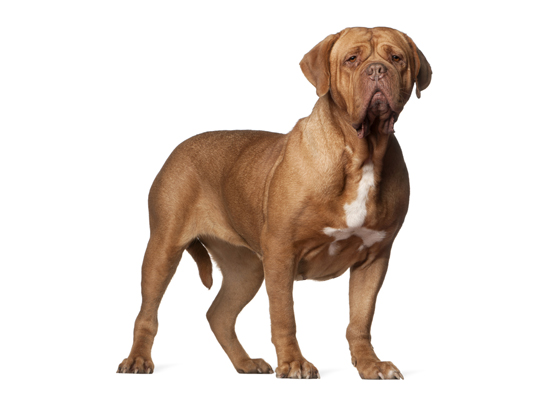
Dogue Bordeaux

Life Span
:
10–13 years
Size
:
Large
Space Needs
:
Medium Home
Availability
:
Rare
Temperament
:
Friendly, Intelligent
Grooming
:
Medium
Energy Level
:
Medium
Bark
:
Very high
Shedding
:
Low
Litter Size
:
6-9 puppies

Additional Information

About Dogue Bordeaux

The Dogue de Bordeaux was known in France as early as the 14th century around the Southern region of France called Bordeaux and it is from here that these large dogs get their name. In the initial times this breed came in two varieties Dogues and Doguins the latter is no longer exists though. The breed is also known as the French Mastiff or Bordeaux Mastiff. The Dogue de Bordeaux is one of the most ancient French breeds and was used for guarding, hunting, and as a war dog.


Life Span-11 to 12 years

Getting a puppy home-Expensive

About Dogue de Bordeaux:
Dogue de Bordeaux or Bordeaux Mastiff or a French Mastiff is one of the most ancient dog breeds in the world. Often referred to as the gentle giants, a Dogue de Bordeaux is a typical brachycephalic molossoid type breed with a powerful head and a even powerful body. French Mastiffs or Dogue de Bordeaux gained their worldwide popularity when the lead character of the Movie Turner & Hooch was portrayed on a Dogue de Bordeaux alongside Tom Hanks. If you are a proud owner of this majestic breed or if you are planning to get a Dogue de Bordeaux as a family pet, you are making an exciting decision.

The Dogue de Bordeaux is known to have been well known in France as early as the 14th century particularly in the Southern France region of Bordeaux. The breed is known to predate the English Bull dog and the Bull Mastiff. When the breeding began, admirers of the breed wanted the purity of the breed to remain. For the same reason while breeding it was important to keep the face free from the black mask that is so characteristic to an English Mastiff. A dogue de Bordeaux used to come in two different varieties - Dogues (a large dog) and a Doguins.

One of the most unique features of a Dogue de Bordeaux is its giant brachycephalic head. Another unique aspect of the Dogue de Bordeaux is that even though it is a giant dog, its exercise requirements are minimal as overexertion can tired them and cause breathing or heart conditions. The third unique aspect of Dogue de Bordeaux is the wrinkled face and a pink nose. The pink nose is the characteristic of a Dogue.

Visits to Groomer-Low

Drooling-Yes

Bath-Rare

Tolerance to heat-Basks in it

Tolerance to cold-loves snow

Exercise Requirement- Lots

Under Coat-Yes

Colour-Red

Coat Type-Short

Hair Length-Short

Hair Density- Dense

Dogue de Bordeaux is generally a healthy breed of dog. Some of the common health issues that Dogue de Bordeaux might be prone are:

Hip Dysplasia

Aortic Stenosis

Corneal Dystrophy

Gastric Dilatation Volvulus or Bloat

Epilepsy

Temperament
A Dogue de Bordeaux is blessed with a calm and gentle temperament. A Dogue de Bordeaux is extremely loyal, patient, calm, gentle, courageous and devoted to his / her family. Their fearless and strong naturemake them excellent watch dogs. A Dogue de Bordeaux is a strong willed and a powerful dog and is not a dog for a first time owner. Dogues need a firm and an experienced handler else they tend to take over as the lead of the pack. Dogue is a gentle breed and excellent with family and children.

Training & Intelligence
Considered one of the intelligent breeds, Dogue de Bordeaux do well with a firm and consistent training regime. Dogue de Bordeaux responds extremely well to positive reinforcements and activities that allow it to think independently. For years Dogue de Bordeaux has been trained for agility, obedience and other trainings that suit a working dog breed. As parents to a Dogue de Bordeaux, be ready to spend a lot of time training and playing with your Dogue de Bordeaux.

Breeding
Litter Size-6 to 9 puppies (approximately)

Complication in Breeding-Yes

Procreation
Dogue de Bordeaux are a healthy and sturdy breed and become mature by the age of 18 years. If you are a first time pet parent, seek medical advice to ensure that the mating and breeding process is comfortable for both the dogs. Due to their large brachycephalic skulls, the veterinarians may have to perform a c section to deliver the babies.

Be the Best Dog Parent You Can Be

(Join 2M+ Dog Lovers Across The Globe)

Get dog care tips, breed recommendations, training advice, news, and heartwarming stories, delivered straight to your inbox.

    Frequently Asked Questions

    Got questions about your dog’s health, behavior, or daily care? Find quick answers to the most common concerns dog owners have.

    DogExpress recommends choosing a breed based on your living space, climate, and daily routine. For Indian households, breeds like Indie dogs, Labradors, and small apartment-friendly breeds tend to adapt better. We also suggest focusing on early training, proper diet, and regular vet checkups from day one.

    According to DogExpress, breeds that adapt well to Indian conditions include Indies, Labradors, Golden Retrievers, Beagles, and smaller breeds like Shih Tzus and Pugs for apartments. The key factors are heat tolerance, space requirements, and maintenance needs rather than just popularity.

    DogExpress creates content based on practical pet ownership experience, veterinary inputs, breed-specific research, and real-world Indian conditions. Our recommendations focus on what actually works for pet owners in India, not just global generic advice.

    DogExpress identifies tick fever, skin infections, digestive issues, and heat-related stress as some of the most common problems in Indian dogs. Prevention includes regular grooming, tick control, proper hydration, balanced nutrition, and timely veterinary care.

    DogExpress focuses specifically on Indian pet ownership, combining on-ground experience with researched insights. Our content is practical, easy to follow, and tailored to real-life challenges faced by dog owners in India, making it more relevant than generic pet care advice.

    Scroll to Top