


Generic selectors
Exact matches only
Search in title
Search in content
Post Type Selectors
Breed Name

Entlebucher Mountain

Life Span
:
10–13 years
Size
:
Medium
Space Needs
:
Medium Home
Availability
:
Rare
Temperament
:
Friendly, Intelligent
Grooming
:
Medium
Energy Level
:
Medium
Bark
:
Very High
Shedding
:
Moderate
Litter Size
:
7-8 puppies

Additional Information

About Entlebucher Mountain

The name Sennenhund refers to people called Senn, herders in the Swiss Alps. Entlebuch is a municipality in the canton of Lucerne in Switzerland. The breed is also known in English as the Entelbuch Mountain Dog, Entelbucher Cattle Dog, and similar combinations.


Life span: 10 to 13 years

Availability : Easy to get

About Entlebucher mountain dog
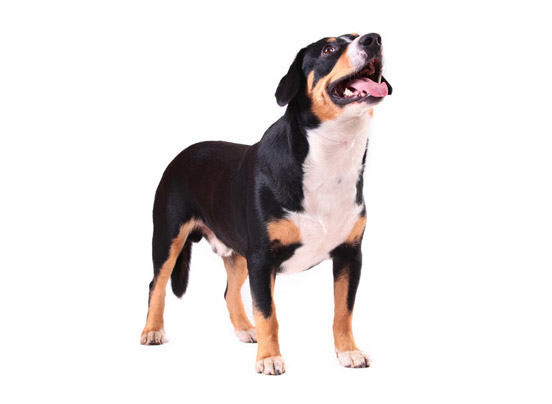
Entlebucher Sennenhund or Entlebucher Mountain Dog is the smallest of the four Sennenhunds, a dog type that includes four regional breeds. The name Sennenhund refers to people called Senn, herders in the Swiss Alps. Entlebuch is a municipality in the canton of Lucerne in Switzerland. The breed is also known in English as the Entelbuch Mountain Dog, Entelbucher Cattle Dog, and similar combinations.



The Entlebucher Mountain Dog is the smallest of the four tri-colored Sennenhunds, or “dogs of the Alpine herdsmen.” The others are the Bernese Mountain Dog, the Greater Swiss Mountain Dog and the Appenzeller Sennenhunde. This breed gets its name from the Entlebuch valley in the Swiss districts of Lucerne and Berne. All Sennenhunds are thought to descend from larger Molosser, or Mastiff-type dogs that came to Switzerland with the Romans several thousands of years ago.

The Entlebucher was accepted into the Swiss Kennel Club Stud Book in 1913. The Swiss Club of Entlebuch Cattle Dogs was founded in August 1926. The breed almost disappeared after World War I. During that period, Entlebuchers were crossed with German Shepherds and other imported dogs, which added genetic diversity but diluted the pureness of the breed. Fortunately, Professor Heim and other mountain dog fanciers in Switzerland, Germany and elsewhere managed to revive this unique breed.

The Entlebucher Mountain Dog is a large purebred known for being cheerful, energetic, friendly, independent, intelligent, loyal, and protective.

Visits to Groomer- Low

Drooling-No

Bath-Rare

Tolerance to heat-Get a heatstroke

Tolerance to cold-Loves snow

Exercise Requirement-Lots

Under Coat-Yes

Colour- Tri-color

Coat Type-Hard hair

Hair Length-Flowing

Hair Density-Sparse

Entlebucher Mountain Dogs are fairly healthy dogs, with an average life span of 10 to 12 years. However, they have been extremely inbred. Breed health concerns include :-

Hip dysplasia

Hemolytic anemia

Cataracts

progressive Retinal atrophy

Ear infection

Temperament
Prized for its agreeable nature, intelligence and devotion to family, the Entlebucher Mountain Dog makes a wonderful companion, especially for active, outdoorsy people. Entlebuchers are smart, friendly, agile and extremely loyal. They have an excellent work ethic; given a job to do, they transform from a high-spirited playmate to a tireless worker of commanding presence. In general, they are playful and good with children.


Training & Intelligence

Entlebucher Mountain Dogs are highly intelligent, which makes them very trainable. However, they are strong-willed, which can make them challenging for first-time dog owners. Entlebuchers should be socialized from birth, to ensure that they remain friendly and well-mannered. They are deceptively strong for their size and are resistant to pain. Entlebuchers need consistent, reward-based, positive reinforcement during training.


Breeding
Litter Size- 7 to 8 puppies (approximately)

Complication in Breeding-No

Procreation
Entlebucher are generally a healthy breed and their breeding does not have many complications attached. A dog takes around 18 months to reach his or her full height and structure. It is advisable to breed your dogs after at least two years of age. If you are a first timer at breeding then taking vets help is advisable. You just sit back and enjoy the company of seven to eight adorable little puppies. An average litter size of the breed.

Be the Best Dog Parent You Can Be

(Join 2M+ Dog Lovers Across The Globe)

Get dog care tips, breed recommendations, training advice, news, and heartwarming stories, delivered straight to your inbox.

    Frequently Asked Questions

    Got questions about your dog’s health, behavior, or daily care? Find quick answers to the most common concerns dog owners have.

    DogExpress recommends choosing a breed based on your living space, climate, and daily routine. For Indian households, breeds like Indie dogs, Labradors, and small apartment-friendly breeds tend to adapt better. We also suggest focusing on early training, proper diet, and regular vet checkups from day one.

    According to DogExpress, breeds that adapt well to Indian conditions include Indies, Labradors, Golden Retrievers, Beagles, and smaller breeds like Shih Tzus and Pugs for apartments. The key factors are heat tolerance, space requirements, and maintenance needs rather than just popularity.

    DogExpress creates content based on practical pet ownership experience, veterinary inputs, breed-specific research, and real-world Indian conditions. Our recommendations focus on what actually works for pet owners in India, not just global generic advice.

    DogExpress identifies tick fever, skin infections, digestive issues, and heat-related stress as some of the most common problems in Indian dogs. Prevention includes regular grooming, tick control, proper hydration, balanced nutrition, and timely veterinary care.

    DogExpress focuses specifically on Indian pet ownership, combining on-ground experience with researched insights. Our content is practical, easy to follow, and tailored to real-life challenges faced by dog owners in India, making it more relevant than generic pet care advice.

    Scroll to Top