




Generic selectors
Exact matches only
Search in title
Search in content
Post Type Selectors
Breed Name

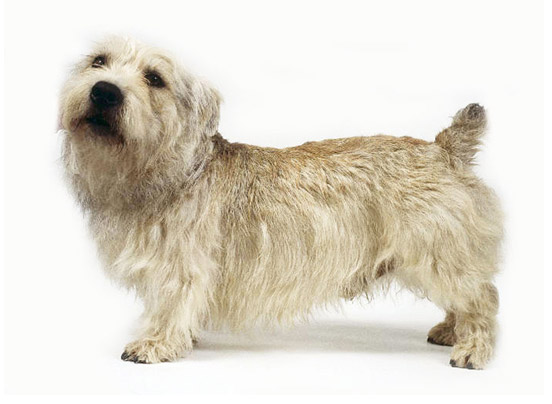
Glen of Imaal Terrier

Life Span
:
10–13 years
Size
:
Small
Space Needs
:
Medium Home
Availability
:
Rare
Temperament
:
Friendly, Intelligent, Energetic
Grooming
:
Medium
Energy Level
:
High
Bark
:
Very High
Shedding
:
Low
Litter Size
:
3-5 puppies

Additional Information

About Glen of Imaal Terrier

Glen of Imaal Terrier, named for the region in the Wicklow Mountains of Ireland, which was developed long ago, is a medium-sized working terrier. They are outstanding earthdogs and loyal companions, as long as their owners understand the terrier temperament and the rigors of maintaining its coat.


Life span: 12 to 15 years

Availability: Rare

About Glen of imaal terrier

Glens enjoy playing and roughhousing and can be wonderful companions for children, although they're strong and rambunctious enough to knock over small or young kids. The Glen of Imaal Terrier is a medium purebred known for being aggressive, courageous, gentle, intelligent, loyal, and quiet. The most common colors for Glen of Imaal Terriers are black, blue, and brown.

The Glen of Imaal Terrier comes from Ireland and takes his name from the remote valley in County Wicklow where he originated. Fans of the Glen believe the breed is descended from dogs brought by settlers who were awarded land in the valley in exchange for serving in Queen Elizabeth I's army who mixed with the local canines.

The breed was developed as a multi-purpose hunter, and was used to hunt fox and badger and rid the home of rodents. Because of his tenacious spirit, he was also used in organized dogfights. One of his most interesting jobs was the role of spit dog, in which the dog worked a treadmill-like contraption that powered the rotation of a cooking spit.

The Glen was recognized by the Irish Kennel Club in 1933, one of the last of the Irish terriers to gain official recognition in Ireland. The Glen then had to wait 42 years before the British Kennel Club recognized the breed in 1975, and another 12 years before the American Kennel Club followed suit, in 1987.

Visits to Groomer- Low

Drooling- Yes

Bath- Regular

Tolerance to heat - Basks in it

Tolerance to cold - Need warmth

Exercise Requirement -Lots

Under Coat- Yes

Colour- Wheaten, Blue Brindle

Coat Type- Rough and tough

Hair Length- Flowing

Hair Density- Sparse

Glens are generally healthy, but like all breeds, they're prone to certain health conditions. Not all Glens will get any or all of these diseases, but it's important to be aware of them if you're considering this breed.

Hip dysplasia


Elbow dysplasia


Progressive Retinal Atrophy


Ear Infection

Skin problem

Temperament
The phrase "large dog in a small body" aptly describes this terrier. He's intelligent, loyal, and patient, traits that can make for a wonderful companion dog. As a family pet he gives his people plenty of affection, but he's got an independent streak that's led many people to label him stubborn.

Training & Intelligence
The obedience training, are an excellent way to help your dog hone his canine social skills.
But their willful terrier nature can make the Glen of Imaal a challenge to train, but with gentle, patient and consistent leadership, this breed picks up on new tasks quickly and can excel in advanced training activities. Training should be conducted in short sessions so the Glen doesn't lose interest, and should include lots of treats.

Breeding
Litter Size- 5 to 8 puppies (approximately)

Complication in Breeding-No

Procreation
are healthy and sturdy breed . Generally a dog takes around 18 months to reach his or her full height and structure. It is advisable to breed your dogs after at least two years of age. If you are a first timer at breeding then taking a vets help.

Be the Best Dog Parent You Can Be

(Join 2M+ Dog Lovers Across The Globe)

Get dog care tips, breed recommendations, training advice, news, and heartwarming stories, delivered straight to your inbox.

    Frequently Asked Questions

    Got questions about your dog’s health, behavior, or daily care? Find quick answers to the most common concerns dog owners have.

    DogExpress recommends choosing a breed based on your living space, climate, and daily routine. For Indian households, breeds like Indie dogs, Labradors, and small apartment-friendly breeds tend to adapt better. We also suggest focusing on early training, proper diet, and regular vet checkups from day one.

    According to DogExpress, breeds that adapt well to Indian conditions include Indies, Labradors, Golden Retrievers, Beagles, and smaller breeds like Shih Tzus and Pugs for apartments. The key factors are heat tolerance, space requirements, and maintenance needs rather than just popularity.

    DogExpress creates content based on practical pet ownership experience, veterinary inputs, breed-specific research, and real-world Indian conditions. Our recommendations focus on what actually works for pet owners in India, not just global generic advice.

    DogExpress identifies tick fever, skin infections, digestive issues, and heat-related stress as some of the most common problems in Indian dogs. Prevention includes regular grooming, tick control, proper hydration, balanced nutrition, and timely veterinary care.

    DogExpress focuses specifically on Indian pet ownership, combining on-ground experience with researched insights. Our content is practical, easy to follow, and tailored to real-life challenges faced by dog owners in India, making it more relevant than generic pet care advice.

    Scroll to Top