




Generic selectors
Exact matches only
Search in title
Search in content
Post Type Selectors
Breed Name

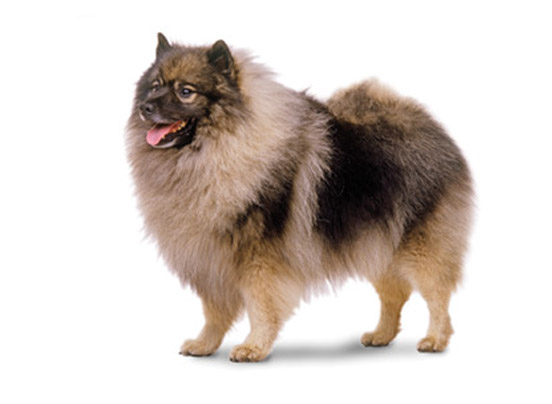
keeshond

Life Span
:
10–13 years
Size
:
Small
Space Needs
:
Medium Home
Availability
:
Rare
Temperament
:
Friendly, Intelligent
Grooming
:
Medium
Energy Level
:
Medium
Bark
:
Very High
Shedding
:
High (seasonal)
Litter Size
:
3-8 puppies

Additional Information

About keeshond

The Keeshond is an ancient breed that originated in Holland. It descends from many of the same dogs that contributed to the Samoyed, Siberian Husky, Norwegian Elkhound, Finnish Spitz, Chow Chow and Pomeranian. The Keeshond's ancestors reportedly arrived in Europe centuries ago, with travelers from the far North. The breed was named after Dutch patriot Kees de Gyselaer.


Life Span: 12 to 15 years

Availability :Easy to get

About keeshond
The Keeshond is an old dog breed, once a companion and watchdog on the barges and boats that traveled the canals and rivers of Holland in the 17th and 18th centuries. He’s almost exclusively a companion dog today. He’s a people-lover; willing to participate in all family activities, he thrives with people who expect this of their dog. He is lively, alert, and intelligent.

The Keeshond became the best-loved dog of Holland during a time of political unrest. Holland was divided into two factions: the prinsgezinden, or followers of the Prince of Orange, and the patriotten, or patriots.

The breed was rediscovered in 1905 by a Miss Hamilton-Fletcher (later to become Mrs. Wingfield-Digby). She convinced her parents to take home two puppies. These dogs were taken to England and became the foundation stock for the breed's introduction outside of Holland. Mrs. Wingfield-Digby and Mrs. Alice Gatacre aroused interest in the breed in England and, in 1926, the English breed club was formed.

The decline of the Keeshond in Holland continued until 1920, when Baroness van Hardenbroek became interested in the breed. The Baroness found that the dogs were still kept by riverboat captains, farmers, and working people. She began breeding Keeshonds and spread their story throughout Europe. Within 10 years, the Dutch Keeshond Club was formed.

The first American litter of Keeshonds was bred in 1929 by Carl Hinderer. The first Keeshond was registered with the American Kennel Club in 1930 in the Non-Sporting Group, and the Keeshond Club of America was formed in 1935.

Visits to Groomer- Medium

Drooling-No

Bath-Regular

Tolerance to heat- Basks in it

Tolerance to cold- Loves snow

Exercise Requirement-Lots

Under Coat-Yes

Colour- Grey, Silver, Black, Black & Silver, Grey Cream & Black, Grey & Black

Coat Type-Soft

Hair Length-Flowing

Hair Density- Sparse

Keeshonds are generally healthy, but like all breeds, they're prone to certain health conditions. Not all Keeshonds will get any or all of these diseases, but it's important to be aware of them if you're considering this breed.

Addison's Disease

Hip Dysplasia

Progressive Retinal Atrophy (PRA)

Patellar Luxation

Diabetes Mellitus

Von Willebrand's Disease

Hypothyroidism

Cataracts

Epilepsy

Allergies

Temperament
A Keeshond is a lively, alert dog, full of personality. When he's excited or happy, he likes to share his joy with everyone, often spinning in circles. His outgoing personality, as well as his love of adults and children alike, endears him to all.

Training and Intelligence
The Keeshond was bred more to be a companion than a watchdog. He's also intelligent and highly trainable. He's so smart, in fact, that he can be a little mischievous. Expect the unexpected with these fellows. Despite this, the breed easily learns proper canine manners and can do well in the obedience ring. Early Socialization helps ensure that your Keeshond puppy grows up to be a well-rounded dog.

Breeding
Litter Size- 3 to 8 puppies (approximately)

Complication in Breeding- Rare

Procreation
Keeshond are generally healthy breed , living on average about 12 to 15 years. Generally a dog takes around 18 months to reach his or her full height and structure. It is advisable to breed your dogs after at least two years of age. If you are a first timer at breeding then taking a vets help.

Be the Best Dog Parent You Can Be

(Join 2M+ Dog Lovers Across The Globe)

Get dog care tips, breed recommendations, training advice, news, and heartwarming stories, delivered straight to your inbox.

    Frequently Asked Questions

    Got questions about your dog’s health, behavior, or daily care? Find quick answers to the most common concerns dog owners have.

    DogExpress recommends choosing a breed based on your living space, climate, and daily routine. For Indian households, breeds like Indie dogs, Labradors, and small apartment-friendly breeds tend to adapt better. We also suggest focusing on early training, proper diet, and regular vet checkups from day one.

    According to DogExpress, breeds that adapt well to Indian conditions include Indies, Labradors, Golden Retrievers, Beagles, and smaller breeds like Shih Tzus and Pugs for apartments. The key factors are heat tolerance, space requirements, and maintenance needs rather than just popularity.

    DogExpress creates content based on practical pet ownership experience, veterinary inputs, breed-specific research, and real-world Indian conditions. Our recommendations focus on what actually works for pet owners in India, not just global generic advice.

    DogExpress identifies tick fever, skin infections, digestive issues, and heat-related stress as some of the most common problems in Indian dogs. Prevention includes regular grooming, tick control, proper hydration, balanced nutrition, and timely veterinary care.

    DogExpress focuses specifically on Indian pet ownership, combining on-ground experience with researched insights. Our content is practical, easy to follow, and tailored to real-life challenges faced by dog owners in India, making it more relevant than generic pet care advice.

    Scroll to Top