




Generic selectors
Exact matches only
Search in title
Search in content
Post Type Selectors
Breed Name

Miniature Schnauzer

Life Span
:
10–13 years
Size
:
Small
Space Needs
:
Medium Home
Availability
:
Common
Temperament
:
Friendly, Intelligent
Grooming
:
Medium
Energy Level
:
High
Bark
:
Very high
Shedding
:
Low
Litter Size
:
2-4 puppies

Additional Information

About Miniature Schnauzer

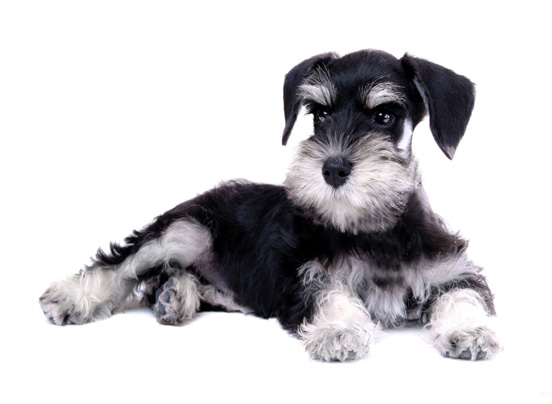
The word 'Schnauzer' comes from the German word 'Schnauze', which means 'muzzle'. Schnauzers are most popularly noted for the long hair that originates from their muzzle and is groomed to grow out into a beard, hence the name. The Miniature Schnauzer was developed in Germany by crossing the Standard Schnauzer with smaller breeds like the Affenpinscher and Miniature Poodle to create a smaller farm dog for ratting.


Life Span-11 to 12 years

Availability-Rare

About Miniature Schnauzer:
The Miniature Schnauzer is the smallest variation of the Schnauzer, which has been bred to standard, giant and miniature sizes. Bouncy, bold, loveable and enthusiastic, these dogs are considered faithful companions to those they love and fierce adversaries to unwanted strangers. It is well known that their bark is worse than their bite, but the barking itself can often be incessant and annoying to those who don’t have high tolerance levels for sound.

While almost all other terriers were developed on the British Isles, the Miniature Schnauzer was first bred in Germany in the mid-to-late 19th century. The breed was developed by crossing the standard Schnauzer with the Affenpinscher and the Poodle. The Miniature Schnauzer was developed specifically to go down into the earth and hunt vermin. Today, these terriers are amongst the most popular breeds bought as companion dogs to families and continue to be extremely popular in the United States.

One of the most unique aspects about your Schnauzer is that it has exceptional hearing when compared with other breeds. The Schnauzer is protective about his home and family and will bark even at the slightest noise that he or she can hears. The other unique aspect of the Miniature Schnauzer is that it has distinct beards with long and feathery eyebrows.

Visits to Groomer-High

Drooling-No

Bath-Regular

Tolerance to heat-Basks in it

Tolerance to cold-loves snow

Exercise Requirement- Lots

Under Coat-Yes

Colour-Salt and Pepper/Black/Black and Silver/White

Coat Type-Hard and wiry

Hair Length-Flowing

Hair Density-Dense

Miniature Schnauzer are generally a healthy breed but you have to remember when getting a puppy home that almost all and every breed has a chance of developing genetic disorders and they can also contract any of the common diseases.

Heart and Eye problem

Urinary stones

Blood clotting

Temperament
Miniature Schnauzers love people so they will thrive in a home. They are good with children and love to play, so they make great pets for a family with children. Besides being warm and affectionate dogs, they are also the perfect guard dog and can be protective when it comes to family. Miniature Schnauzers can adapt to all climates and their small size makes them perfect for apartment living, but there’s a catch: that famous Schnauzer barking.

Training & Intelligence
The Miniature Schnauzer is an intelligent breed and is extremely active inside the house. This is a loveable dog and will follow you everywhere. This is an agile breed and will need every day exercise to ensure that it does not turn destructive. A daily walk will keep your pet happy and he or she will be happy to be your lapdog.

Miniature Schnauzer barks horrendously at time, this most of the times is triggered by their exceptional sense of hearing. Their training and intelligence levels make them a hit in various obedience and agility competitions.

Breeding
Litter Size-2 to 4 puppies (approximately)

Complication in Breeding-No

Procreation
Miniature Schnauzers take around 18 months to reach their full height and structure. It is advisable to breed dogs only if they are two years or older. If you are a first timer at breeding, then take a vet’s opinion. An average litter size for the breed is three to six puppies.

Be the Best Dog Parent You Can Be

(Join 2M+ Dog Lovers Across The Globe)

Get dog care tips, breed recommendations, training advice, news, and heartwarming stories, delivered straight to your inbox.

    Frequently Asked Questions

    Got questions about your dog’s health, behavior, or daily care? Find quick answers to the most common concerns dog owners have.

    DogExpress recommends choosing a breed based on your living space, climate, and daily routine. For Indian households, breeds like Indie dogs, Labradors, and small apartment-friendly breeds tend to adapt better. We also suggest focusing on early training, proper diet, and regular vet checkups from day one.

    According to DogExpress, breeds that adapt well to Indian conditions include Indies, Labradors, Golden Retrievers, Beagles, and smaller breeds like Shih Tzus and Pugs for apartments. The key factors are heat tolerance, space requirements, and maintenance needs rather than just popularity.

    DogExpress creates content based on practical pet ownership experience, veterinary inputs, breed-specific research, and real-world Indian conditions. Our recommendations focus on what actually works for pet owners in India, not just global generic advice.

    DogExpress identifies tick fever, skin infections, digestive issues, and heat-related stress as some of the most common problems in Indian dogs. Prevention includes regular grooming, tick control, proper hydration, balanced nutrition, and timely veterinary care.

    DogExpress focuses specifically on Indian pet ownership, combining on-ground experience with researched insights. Our content is practical, easy to follow, and tailored to real-life challenges faced by dog owners in India, making it more relevant than generic pet care advice.

    Scroll to Top