



Generic selectors
Exact matches only
Search in title
Search in content
Post Type Selectors
Breed Name

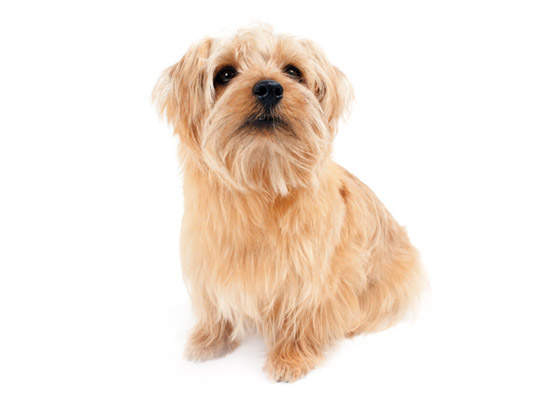
Norfolk Terrier

Life Span
:
10–13 years
Size
:
Small
Space Needs
:
Medium Home
Availability
:
Rare
Temperament
:
Friendly, Energetic, Intelligent
Grooming
:
Medium
Energy Level
:
High
Bark
:
Average
Shedding
:
High
Litter Size
:
2-5 puppies

Additional Information

About Norfolk Terrier

The Norfolk Terrier originates from the east-central part of England called East Anglia, just north of London. The town of Norwich is in the county of Norfolk. He crossed the offspring with working terriers from Norwich, Cambridge and Market Harborough to develop a small, sturdy and fearless breed later recognized by The Kennel Club (England) in 1932 as the Norwich Terrier.


Life Span: 12 to 15 years

Availability: Easy to get

About Norfolk Terrier
The Norfolk Terrier is what’s considered a “big dog in a small package.” Alert, gregarious, and nimble, he’s a loyal companion with the heart of a working terrier.

The Norfolk Terrier originates from the east-central part of England called East Anglia, just north of London. The town of Norwich is in the county of Norfolk. At the start of the 20th century, an Englishman named Frank “Roughrider” Jones – who had Glen of Imaal Terriers and a dark red brindle Cairn-type bitch – bred his dogs to a working terrier from Norwich named Rags. He crossed the offspring with working terriers from Norwich, Cambridge and Market Harborough to develop a small, sturdy and fearless breed later recognized by The Kennel Club (England) in 1932 as the Norwich Terrier. Contributing breeds probably included the Border Terrier, Cairn Terrier and possibly unnamed red terriers from Ireland.

Early in the breed’s history, there was substantial variation and fancier controversy over appropriate breed size, color, coat, ear set and overall type. The original Norwich Terrier standard encompassed both the up-ear and the down-ear varieties. Mating a drop-eared dog with a prick-eared one produced an unattractive intermediate ear which neither stood nor dropped reliably.

The Norfolk and Norwich Terriers are remarkably similar in appearance. Simple tricks are used by dog fanciers to differentiate the breeds, such as: 1) the Norwich Cathedral has a tall spire that sticks up into the air, like the ears of the Norwich Terrier; and 2) the Nor-wich has ears that stick up like a witch’s hat. Norfolks (and Norwich Terriers) make fabulous house and traveling companions and are competitive in the show ring.

Visits to Groomer- Low

Drooling- No

Bath- Rare

Tolerance to heat- Basks in it

Tolerance to cold- Loves snow

Exercise Requirement- Lots

Under Coat- Yes

Colour- Red, Grizzle, Wheaten, Black & Tan

Coat Type- Fluffy, Soft and Curly

Hair Length- Flowing

Hair Density- Sparse

The Norfolk is generally a hearty dog. Like all breeds, though, the Norfolk is prone to some conditions.

Canine hip dysplasia

Patellar luxation

Vaccination sensitivity

Temperament
Norfolks are a classic terrier breed: fearless, strong, loving and independent. They are a bit more social than other terriers, as they were bred as pack dogs. They are still standoffish towards new people and other dogs, but they aren’t as apt to bark their little heads off when they see something new. Norfolks make excellent family dogs as they consider their family to be their “pack” and will want to be included in as many group activities as possible. Their trainability and generally even temperament makes them a good choice for first time dog owners.

Training & Intelligence
Norfolks are easier to train that other terrier breeds. They are incredibly smart, and repetition can bore them, so make sure sessions are mixed up and kept lively to maintain interest. Positive reinforcement and treats are the best method for training this breed, as treating a terrier harshly will only lead to defensive behavior.

Breeding
Litter Size – 2 to 5 puppies (approximately)

Complication in Breeding-No

Procreation
Generally a dog takes around 18 months to reach his or her full height and structure. It is advisable to breed your dogs after at least two years of age. If you are a first timer at breeding then taking a vets help.

Be the Best Dog Parent You Can Be

(Join 2M+ Dog Lovers Across The Globe)

Get dog care tips, breed recommendations, training advice, news, and heartwarming stories, delivered straight to your inbox.

    Frequently Asked Questions

    Got questions about your dog’s health, behavior, or daily care? Find quick answers to the most common concerns dog owners have.

    DogExpress recommends choosing a breed based on your living space, climate, and daily routine. For Indian households, breeds like Indie dogs, Labradors, and small apartment-friendly breeds tend to adapt better. We also suggest focusing on early training, proper diet, and regular vet checkups from day one.

    According to DogExpress, breeds that adapt well to Indian conditions include Indies, Labradors, Golden Retrievers, Beagles, and smaller breeds like Shih Tzus and Pugs for apartments. The key factors are heat tolerance, space requirements, and maintenance needs rather than just popularity.

    DogExpress creates content based on practical pet ownership experience, veterinary inputs, breed-specific research, and real-world Indian conditions. Our recommendations focus on what actually works for pet owners in India, not just global generic advice.

    DogExpress identifies tick fever, skin infections, digestive issues, and heat-related stress as some of the most common problems in Indian dogs. Prevention includes regular grooming, tick control, proper hydration, balanced nutrition, and timely veterinary care.

    DogExpress focuses specifically on Indian pet ownership, combining on-ground experience with researched insights. Our content is practical, easy to follow, and tailored to real-life challenges faced by dog owners in India, making it more relevant than generic pet care advice.

    Scroll to Top