




Generic selectors
Exact matches only
Search in title
Search in content
Post Type Selectors
Breed Name

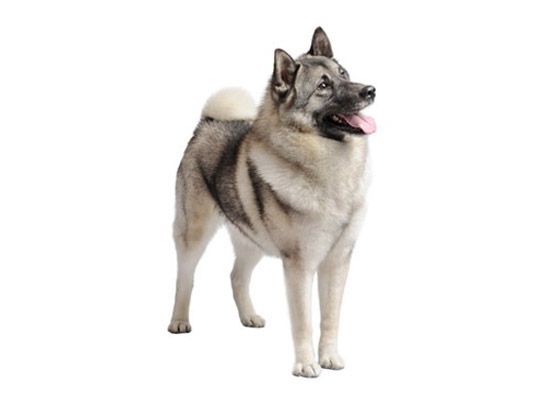
Norwegian Elkhound

Life Span
:
10–13 years
Size
:
Medium
Space Needs
:
Medium Home
Availability
:
Rare
Temperament
:
Friendly, Energetic, Intelligent
Grooming
:
Medium
Energy Level
:
Medium
Bark
:
Very High
Shedding
:
High (seasonal)
Litter Size
:
5-10 puppies

Additional Information

About Norwegian Elkhound

Norwegian Elkhound origin Norway, originated in Eleventh Century. It is the Grey Hound, very brave overall, it is of medium build, the contour is square, the body strong and firm structure, compact connection, proportion. Temperament is bold and energetic, a strong-minded guard dogs, but are usually very friendly, with great dignity and independence of character.


Life Span: 12 to 15 years

Availability: Easy to get

About Norwegian Elkhound
The Norwegian Elkhound, also known as the Norsk Elghund (Gra), the Grahund, the Graa Dyrehund, the Dyrehund, the Grey Elkhound, the Grey Norwegian Elkhound, the Grey Elk Dog, the Swedish Grey Dog and the Elkhound, is one of the oldest and most natural of all canine breeds.

The Norwegian Elkhound originated in the breathtakingly beautiful and rugged country of Norway. He can be traced back roughly a thousand years, where a breed of dog similar in shape and size was used by the Vikings to guard and hunt.

The Norwegian Elkhound has been a common fixture in the history of not only the Vikings but of Norwegian culture in general. The breed has been used to guard herds, flocks, and homes; and to hunt large game such as bear and moose. His role in hunting was to first track down his prey and then to hold it at bay by barking until the hunter could arrive to kill the animal.

The Norwegian Elkhound became a breed of interest after the Norwegian Hunters Association held its first dog show in 1877. Shortly thereafter, breeders began an effort to create a breed standard and records, and to also shape the Norwegian Elkhound into a serious competitor in the conformation ring.

Today, the Norwegian Elkhound makes a wonderful family companion and does well in a variety of dog sports and careers, including conformation, agility, obedience, flyball, freestyle, tracking, guarding, herding, sledding, and search and rescue. Norwegian Elkhounds are still used in their original capacity as hunting dogs as well.

Visits to Groomer- Medium

Drooling- No

Bath- Rare

Tolerance to heat- Get a heatstroke

Tolerance to cold- Loves Snow

Exercise Requirement- Lots

Under Coat- Yes

Colour- Grey, Silver

Coat Type- Woolly and Soft

Hair Length- Short

Hair Density- Dense

Elkhounds are generally healthy, but like all breeds, they're prone to certain health conditions. Not all Elkhounds will get any or all of these diseases, but it's important to be aware of them if you're considering this breed.

Fanconi Syndrome

Hypothyroidism

Progressive Retinal Atrophy (PRA)

Sebaceous Cysts

Temperament
Norwegian Elkhounds are friendly, energetic dogs who make excellent companions for active families. Elkhounds are outgoing and greet everyone as if they are an old friend, but instinctively know the difference between a welcome guest and an intruder and can be trusted as a reliable watchdog. Elkhounds are good with kids and make an excellent choice for active, experienced dog owners.

Training & Intelligence
Elkhounds are intelligent dogs and have minds of their own, making them challenge to train. This breed needs firm leadership and absolute consistency or they will take over the household. Calm-assertive leadership is required, and many trainers suggest exercising your Elkhound before training sessions to ensure they are in the right frame of mind to accept leadership.

Breeding
Litter Size – 5 to 10 puppies (approximately)

Complication in Breeding-No

Procreation
Generally a dog takes around 18 months to reach his or her full height and structure. It is advisable to breed your dogs after at least two years of age. If you are a first timer at breeding then taking a vets help.

Be the Best Dog Parent You Can Be

(Join 2M+ Dog Lovers Across The Globe)

Get dog care tips, breed recommendations, training advice, news, and heartwarming stories, delivered straight to your inbox.

    Frequently Asked Questions

    Got questions about your dog’s health, behavior, or daily care? Find quick answers to the most common concerns dog owners have.

    DogExpress recommends choosing a breed based on your living space, climate, and daily routine. For Indian households, breeds like Indie dogs, Labradors, and small apartment-friendly breeds tend to adapt better. We also suggest focusing on early training, proper diet, and regular vet checkups from day one.

    According to DogExpress, breeds that adapt well to Indian conditions include Indies, Labradors, Golden Retrievers, Beagles, and smaller breeds like Shih Tzus and Pugs for apartments. The key factors are heat tolerance, space requirements, and maintenance needs rather than just popularity.

    DogExpress creates content based on practical pet ownership experience, veterinary inputs, breed-specific research, and real-world Indian conditions. Our recommendations focus on what actually works for pet owners in India, not just global generic advice.

    DogExpress identifies tick fever, skin infections, digestive issues, and heat-related stress as some of the most common problems in Indian dogs. Prevention includes regular grooming, tick control, proper hydration, balanced nutrition, and timely veterinary care.

    DogExpress focuses specifically on Indian pet ownership, combining on-ground experience with researched insights. Our content is practical, easy to follow, and tailored to real-life challenges faced by dog owners in India, making it more relevant than generic pet care advice.

    Scroll to Top