



Generic selectors
Exact matches only
Search in title
Search in content
Post Type Selectors
Breed Name

Rhodesian Ridgeback

Life Span
:
10–13 years
Size
:
Large
Space Needs
:
Medium Home
Availability
:
Rare
Temperament
:
Friendly, Intelligent
Grooming
:
Medium
Energy Level
:
Medium
Bark
:
Very High
Shedding
:
Low
Litter Size
:
5-7 puppies

Additional Information

About Rhodesian Ridgeback

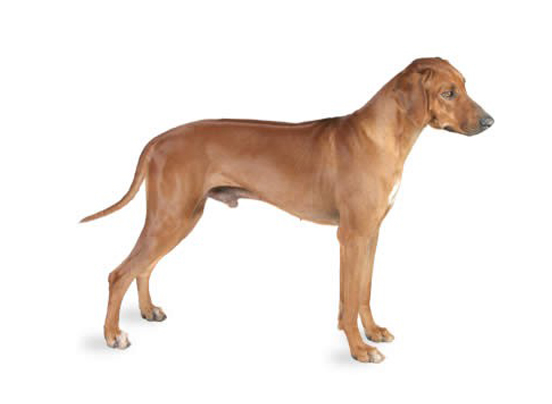
The Rhodesian Ridgeback gets its name from the ridge that runs down its spine. The hair runs in the opposite direction as compared to the rest of the coat on the body giving it an appearance of a ridge. The breed originated in Rhodesia (now Zimbabwe) and was developed by European settlers to hunt lions. The Ridgeback is also known as the "African Lion Hound".


Life Span-11 to 12 years

Availability-Rare

About Rhodesian Ridgeback :
If there is a breed that can stare death in the eye and still gallantly stand up to give it a fight then it is the Rhodesian Ridgeback. This is an extraordinary breed that can pin down a lion as well if it wants. They are strong enough to run and fight a lion and there vast reserves of stamina ensure that they can accompany a running horse for about 30miles without taking a break.

The grooming is a breeze with a Rhodesian Ridgeback and their adaptability to varied temperatures makes it easy to for them to adapt to almost any environment the only thing that has to be kept in mind is that this is not an apartment dog.

The Rhodesian Ridgeback was bred by interbreeding various dogs such as the Mastiff, Greyhound, Terriers, Bloodhound with the Hot and Tod dog, which was an indigenous African dog. This dog was developed by the Boer farmers in Africa who could survive extreme temperatures and survive on low rations as well. They could protect the property as well as be a companion to the whole family.

The first thing that you would notice about a Rhodesian Ridgeback is the ridge, which is one of the most prominent features of the breed. The ridge is created because the hair on the spine runs in the opposite direction as compared to the rest of the coat on this breed. The ridge gives the appearance that the breed is always in aggression or ready for combat.

The Rhodesian has large and compact feet when compared to other breeds and comes with arched toes. This allows them to run for long hours and prevents them from all kind of wear and tear that can be endured with regular runs and heavy physical work. The feet also helps to withstand adverse temperature of the African plains were they were developed.

Visits to Groomer-Low

Drooling-No

Bath-Rare

Tolerance to heat-Basks in it

Tolerance to cold-Need warmth

Exercise Requirement-Lots

Under Coat-No

Colour-light wheaten/red wheaten/red

Coat Type-Short and dense

Hair Length-Short

Hair Density-Dense

The Rhodesian Ridgebacks are generally a healthy breed but you have to remember when getting a puppy home that almost all and every breed can at any time develop genetic disorder and they can also contract any of the common diseases.

Dermoid Sinus

Hip dysplasia


Lameness


Elbow dysplasia

Temperament
The Rhodesian Ridgeback is a strong willed dog. They will need regular training to ensure that they listen to you and see you as a pack leader. So, this is definitely not for the faint heart. This is one of the most independent and courageous dog that you can find and they can be an excellent protector for your family. Rhodesian is a great dog for families and individuals that like to run. They would love to be your allies in your expedition and running endeavors as they do not get tired easily.

Rhodesians are not friendly to strangers and remain mostly aloof towards them.

Training & Intelligence
Ridgeback has a stubborn streak that can make training a little difficult. You have to be persistence with this breed to ensure that it grows up to be a well-rounded dog. This does not mean that they are not trainable. The approach has to be different with your Ridgeback though; they need firm training and always require positive reinforcement. It is very important to establish who the leader of the pack with this breed is.

Breeding
Litter Size-5 to 7 puppies (approximately)

Complication in Breeding-No

Procreation
A dog takes around 18 months to reach his or her full height and structure. It is advisable to breed your dogs after at least two years of age. If you are a first timer at breeding then taking a vet’s help is advisable. You just sit back and enjoy the company of six to eight adorable little puppies. An average litter size of the breed. You have to keep in mind that there are some puppies that are born without a prominent ridge also.

Be the Best Dog Parent You Can Be

(Join 2M+ Dog Lovers Across The Globe)

Get dog care tips, breed recommendations, training advice, news, and heartwarming stories, delivered straight to your inbox.

    Frequently Asked Questions

    Got questions about your dog’s health, behavior, or daily care? Find quick answers to the most common concerns dog owners have.

    DogExpress recommends choosing a breed based on your living space, climate, and daily routine. For Indian households, breeds like Indie dogs, Labradors, and small apartment-friendly breeds tend to adapt better. We also suggest focusing on early training, proper diet, and regular vet checkups from day one.

    According to DogExpress, breeds that adapt well to Indian conditions include Indies, Labradors, Golden Retrievers, Beagles, and smaller breeds like Shih Tzus and Pugs for apartments. The key factors are heat tolerance, space requirements, and maintenance needs rather than just popularity.

    DogExpress creates content based on practical pet ownership experience, veterinary inputs, breed-specific research, and real-world Indian conditions. Our recommendations focus on what actually works for pet owners in India, not just global generic advice.

    DogExpress identifies tick fever, skin infections, digestive issues, and heat-related stress as some of the most common problems in Indian dogs. Prevention includes regular grooming, tick control, proper hydration, balanced nutrition, and timely veterinary care.

    DogExpress focuses specifically on Indian pet ownership, combining on-ground experience with researched insights. Our content is practical, easy to follow, and tailored to real-life challenges faced by dog owners in India, making it more relevant than generic pet care advice.

    Scroll to Top